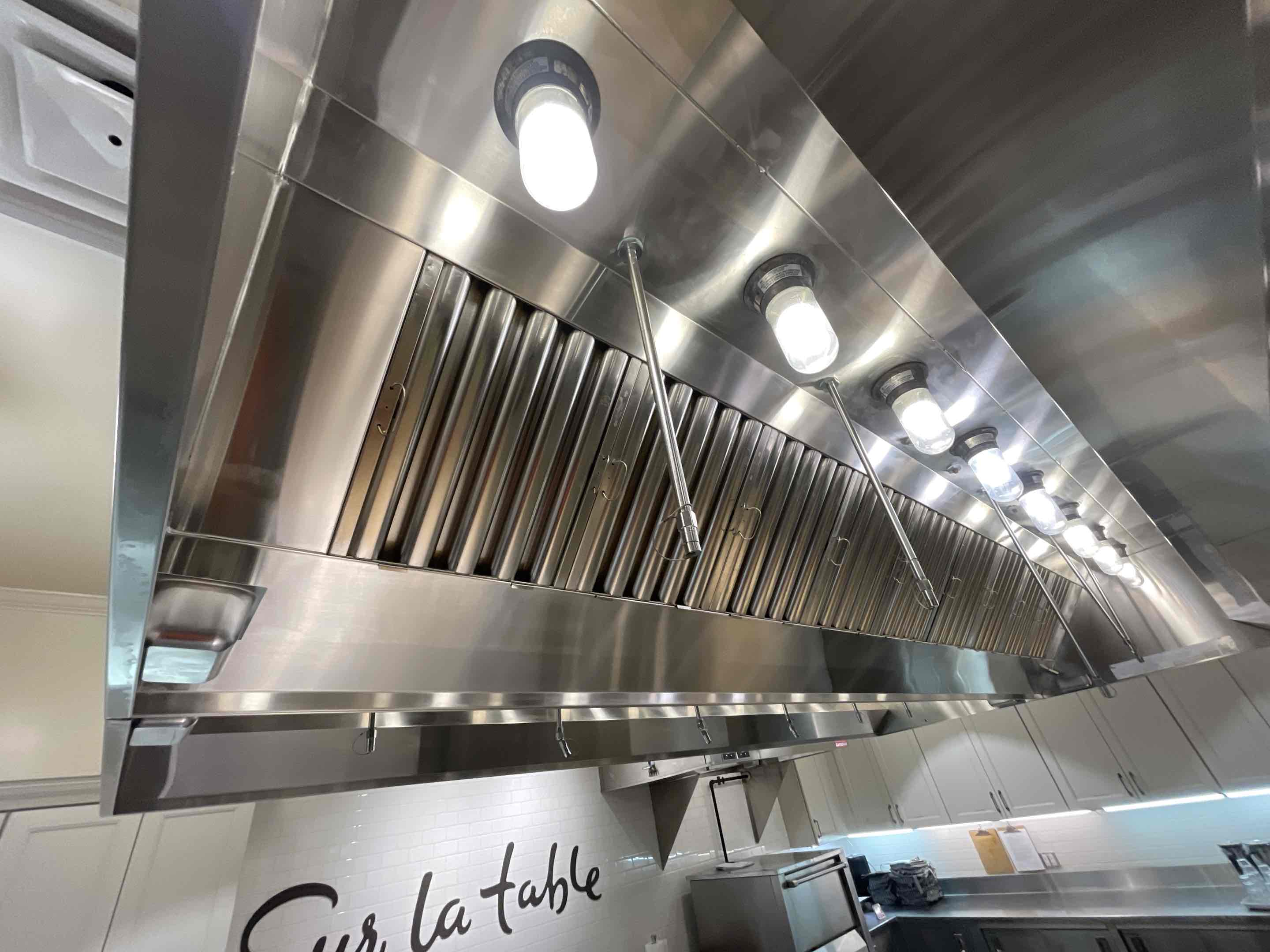

The short answer is it depends! The National Fire Protection Association (NFPA) 96 recommends that all commercial kitchen exhaust systems must be professionally cleaned between once per month and once per year depending on the volume of the facility’s cooking, the type of food service, and the type of fuel used.
See below chart

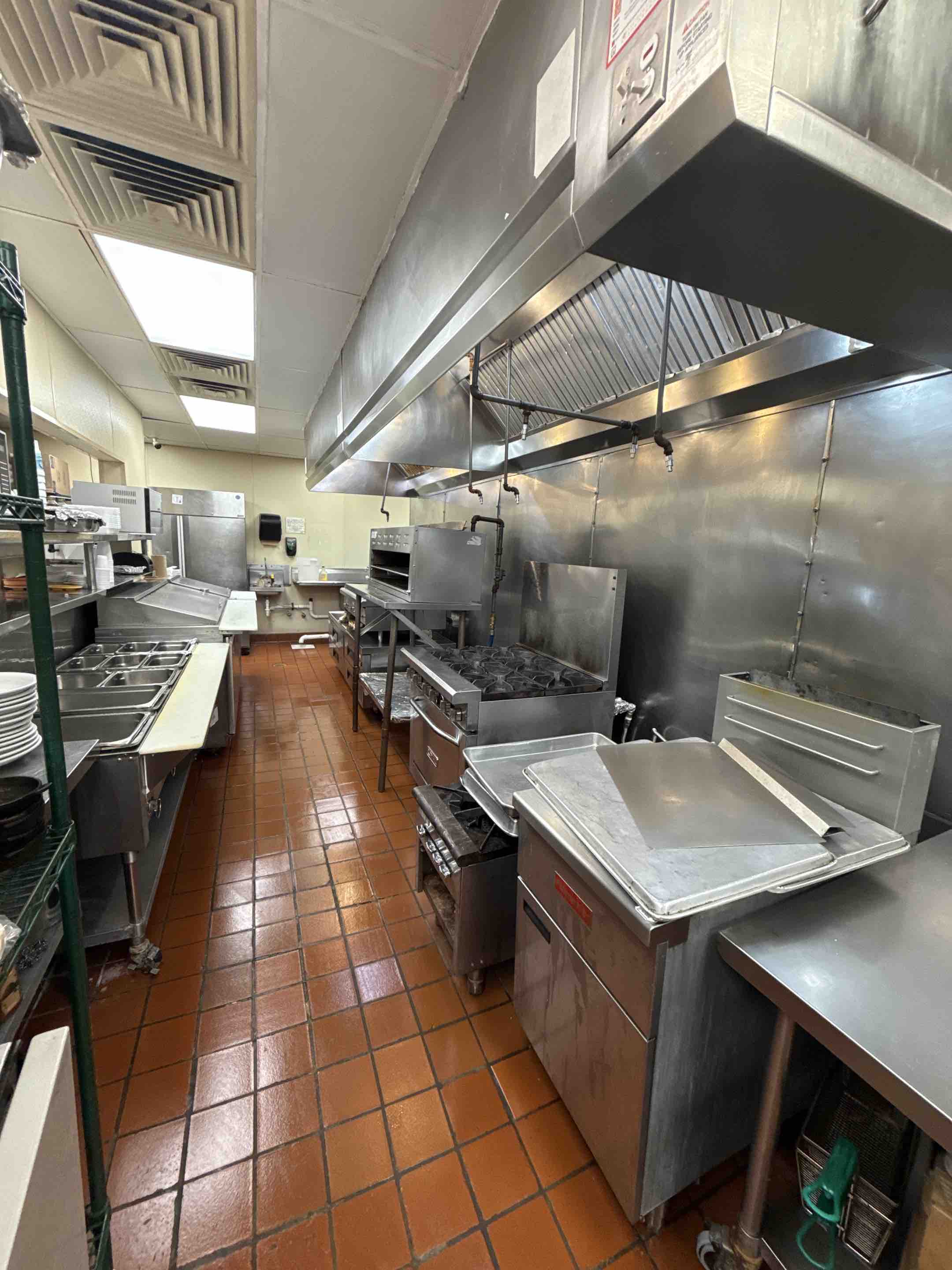
A thorough kitchen hood cleaning was performed, starting with a comprehensive inspection to identify areas with the most buildup. The hood's exterior and interior surfaces were meticulously wiped down using eco-friendly cleaning agents to ensure no residue was left behind. Grease and grime were removed from the grease filters, which were then cleaned and reinstalled. The ductwork was accessed and cleaned to eliminate any blockages, ensuring optimal airflow. The fan blades and motor were inspected for any signs of wear and lubricated as needed. Post-cleaning, a final inspection was conducted to confirm that all surfaces were spotless and the hood was functioning efficiently. The entire process was completed with attention to detail, ensuring a clean and well-functioning kitchen hood.
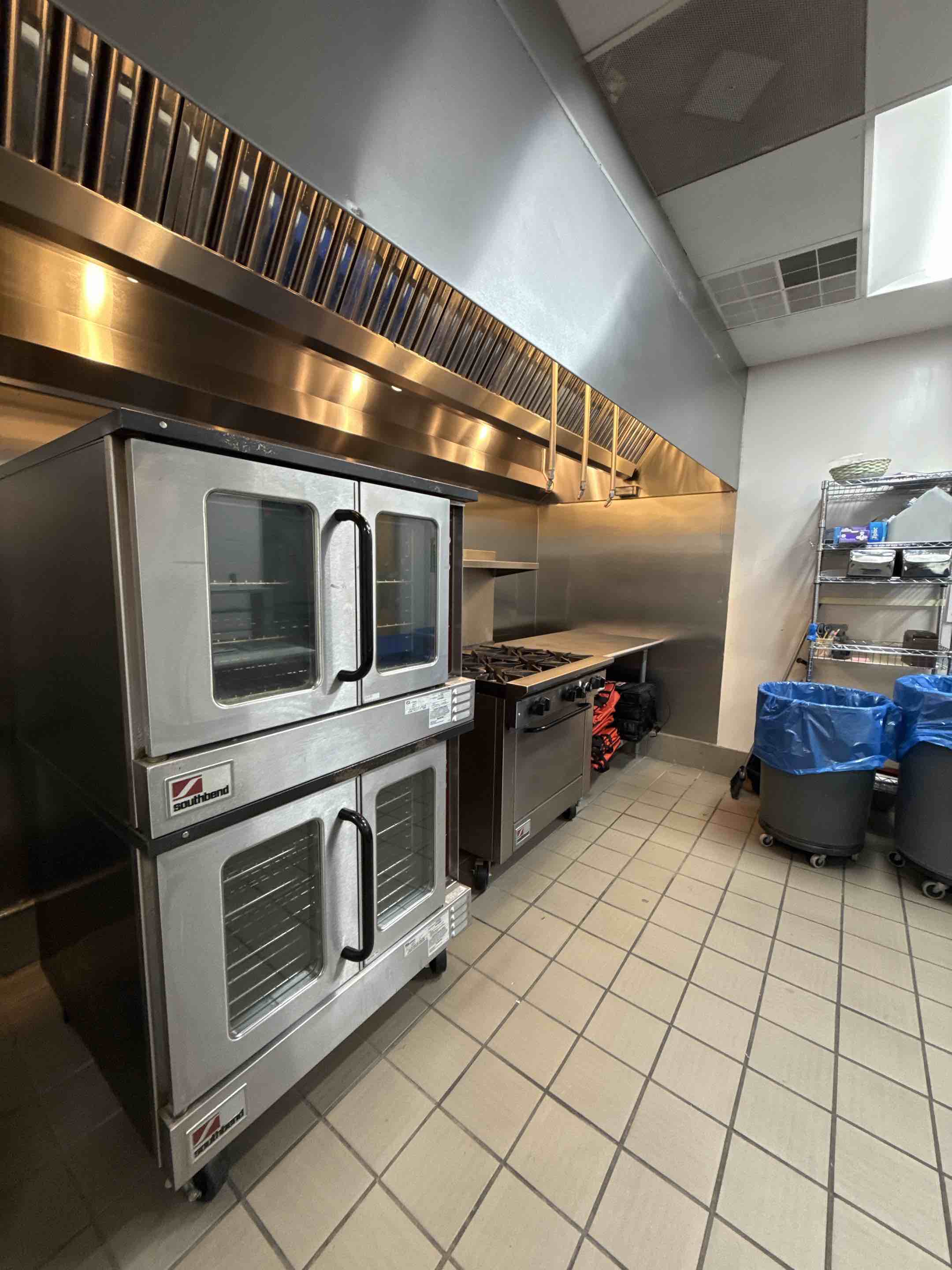
I meticulously cleaned the kitchen hood, starting with a thorough inspection to identify areas with the most buildup. I used specialized cleaning solutions to dissolve grease and grime, ensuring no residue was left behind. Each component of the hood was disassembled and cleaned individually, paying special attention to the fan blades and filters. After cleaning, I reassembled the hood and tested it to confirm proper functionality. The hood now operates efficiently, and the kitchen looks and smells fresh. The entire process was completed with precision and care, ensuring a clean and safe environment.
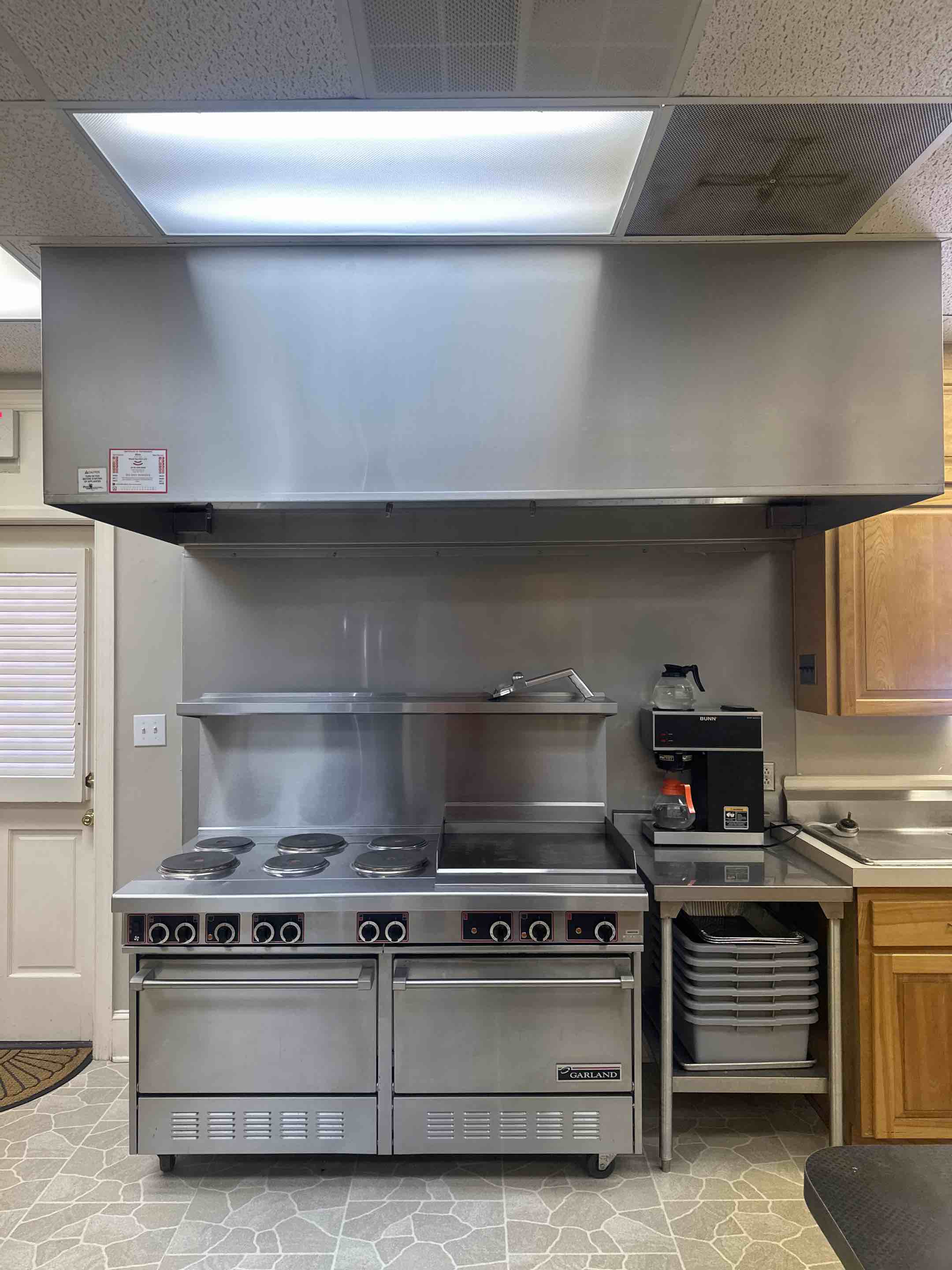
A thorough fire suppression inspection was carried out, beginning with a comprehensive review of the facility's fire safety systems. This included checking the functionality of fire alarms, sprinklers, and fire extinguishers. Each system was tested to ensure it was operational and compliant with safety standards. The inspection also involved examining the fire suppression equipment for any signs of wear or damage. Additionally, the inspection assessed the accessibility and visibility of fire exits and emergency lighting. Documentation was meticulously recorded, noting any deficiencies and recommendations for corrective actions. The inspection concluded with a detailed report, ensuring all findings were communicated effectively for future reference.
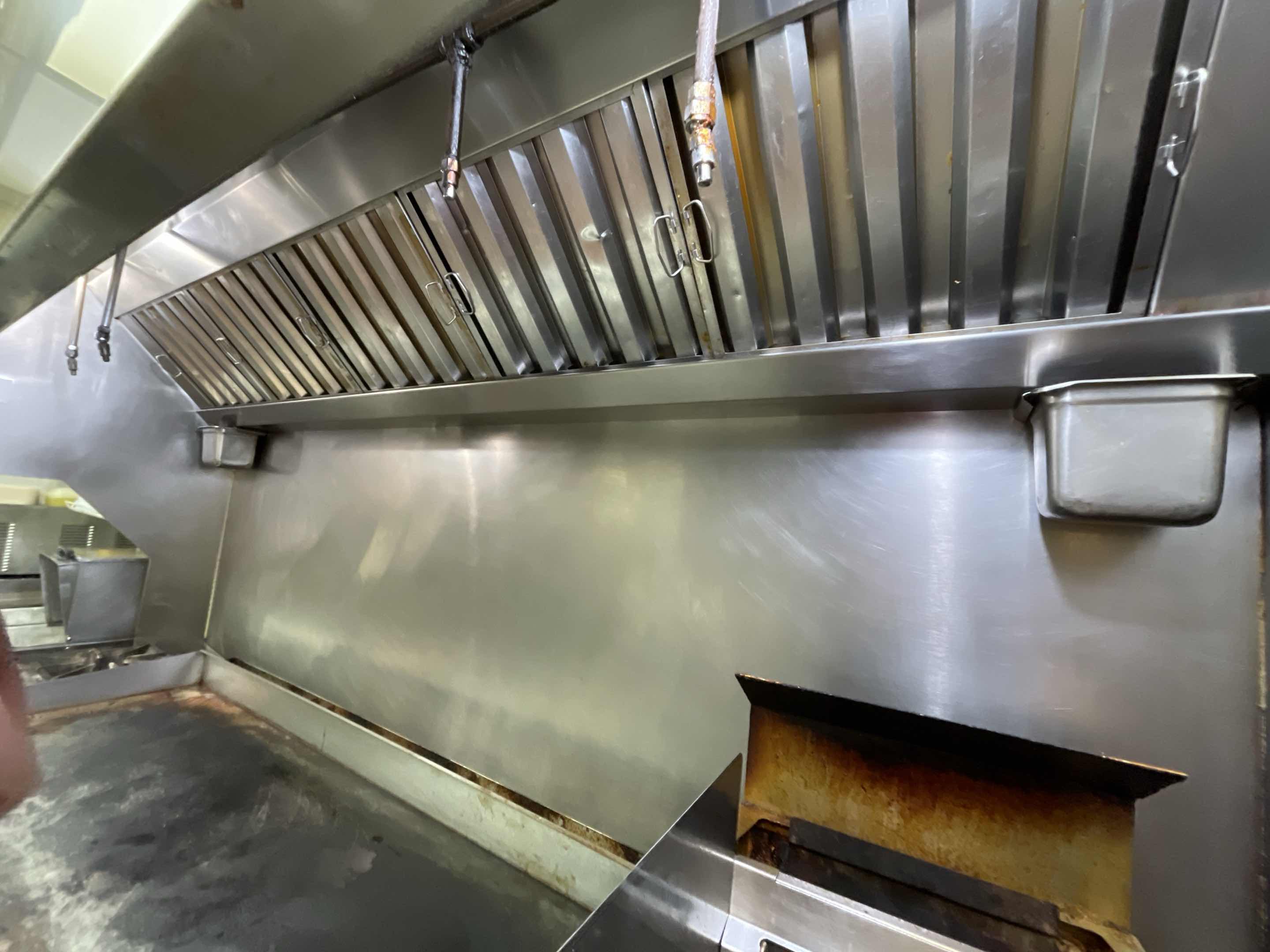
A thorough hood cleaning was performed at a vibrant Mexican restaurant. The task involved meticulous cleaning of the commercial kitchen's exhaust hood system. This included removing accumulated grease and debris from the hood filters, ducts, and fan blades. The process ensured optimal airflow and fire safety compliance. Additionally, the exterior and interior surfaces of the hood were cleaned to maintain hygiene standards. The work was completed with precision, ensuring the kitchen operates efficiently and safely.
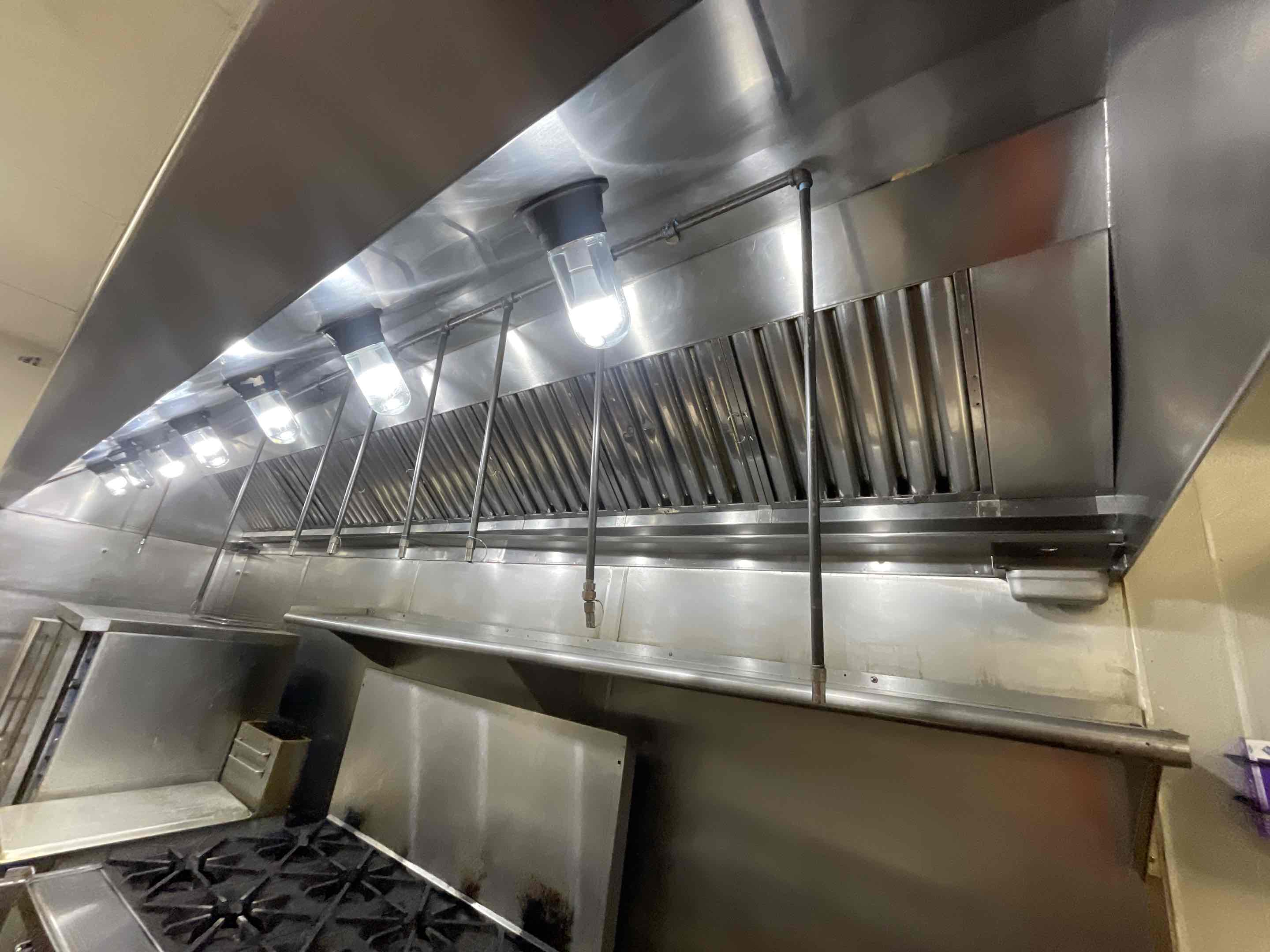
I meticulously cleaned the kitchen hood system at the Indian bistro, ensuring every component was free from grease and grime. This involved disassembling the hood, cleaning the filters, and scrubbing the interior and exterior surfaces. I also inspected the ductwork for any blockages and ensured the fan was operating efficiently. The hood was reassembled, and I conducted a thorough test to confirm optimal performance. The result was a cleaner, safer kitchen environment, enhancing the overall dining experience for patrons.
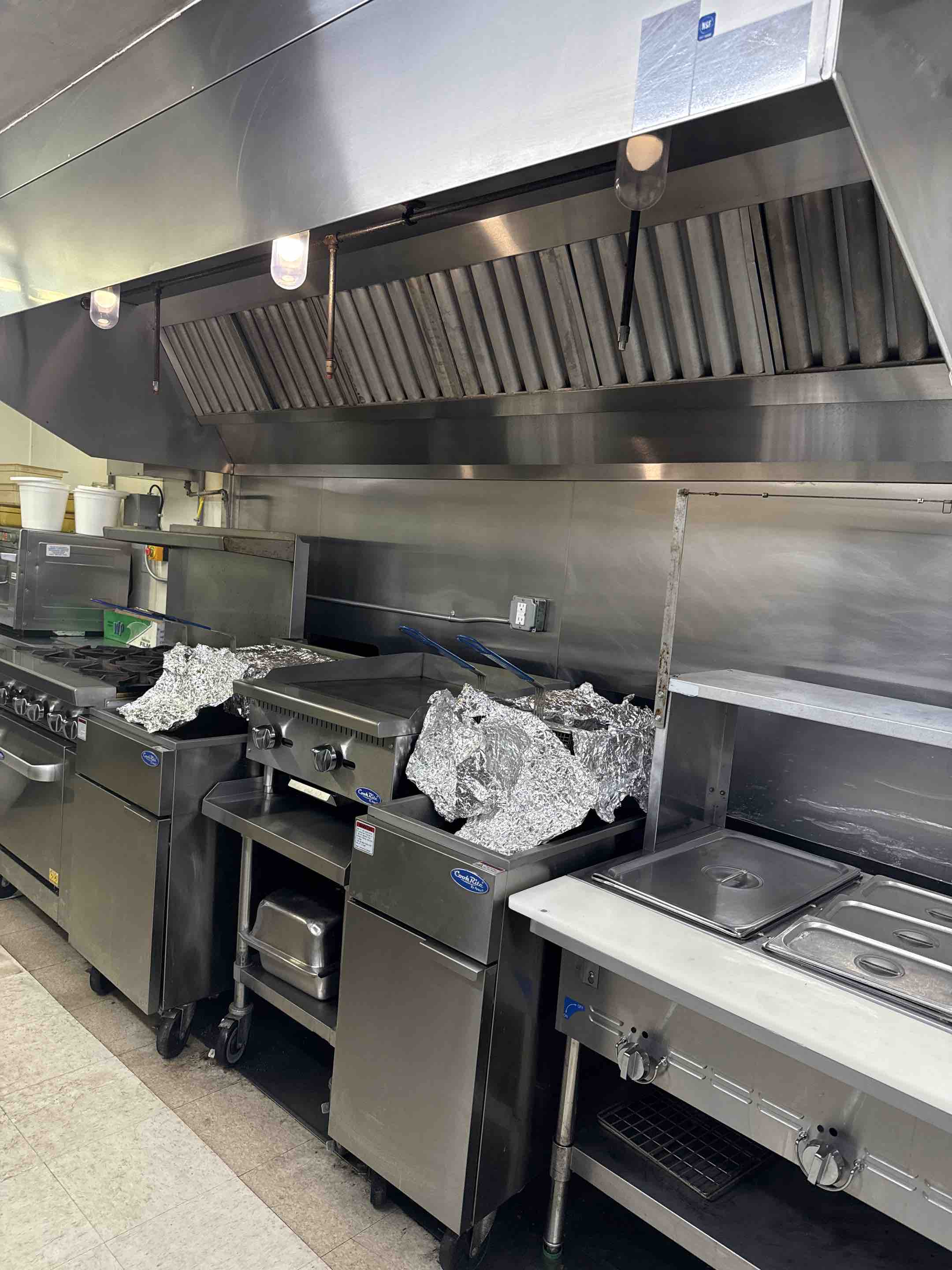
I meticulously cleaned the kitchen hood, starting with a thorough inspection to identify areas with the most buildup. Using specialized cleaning agents, I carefully scrubbed and wiped down the hood's surfaces, ensuring all grease and grime were removed. I paid special attention to the exhaust fan and filters, disassembling and cleaning them to ensure optimal performance. After cleaning, I inspected the hood to confirm all areas were spotless and free of residue. The hood now operates efficiently, contributing to a cleaner and healthier kitchen environment.
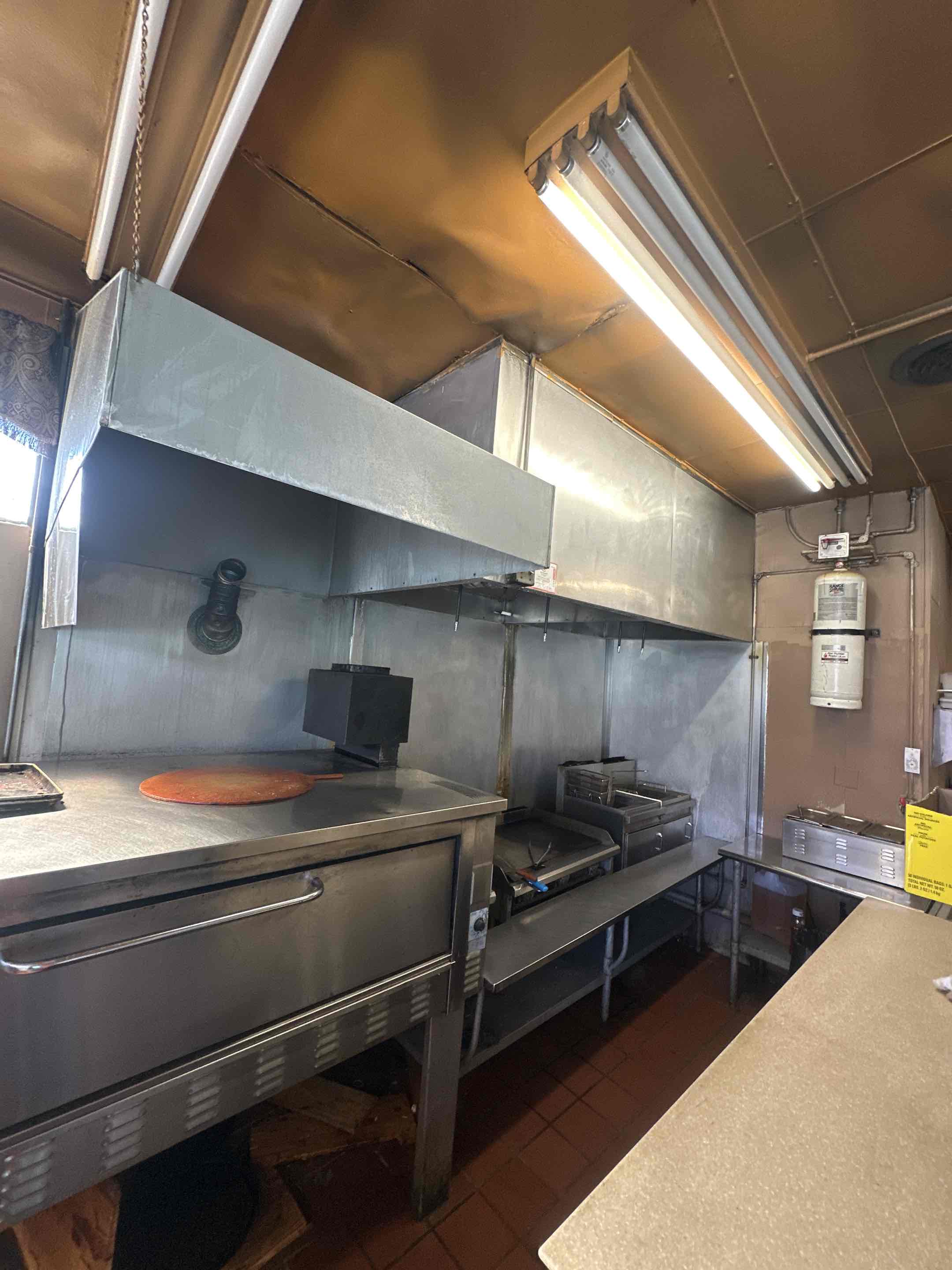
A thorough cleaning of the kitchen exhaust system was performed, ensuring optimal performance and safety. This involved meticulous removal of accumulated grease and debris, which can pose significant fire hazards if left unchecked. Following the cleaning, a fire suppression system check was conducted to confirm its readiness and functionality. This included testing the system's response time and ensuring all components were in working order. After completing the kitchen tasks, a comprehensive inspection of fire extinguishers was carried out. Each extinguisher was checked for proper pressure levels, unobstructed access, and operational functionality. All equipment passed inspection and was certified, ensuring the safety and compliance of the premises.
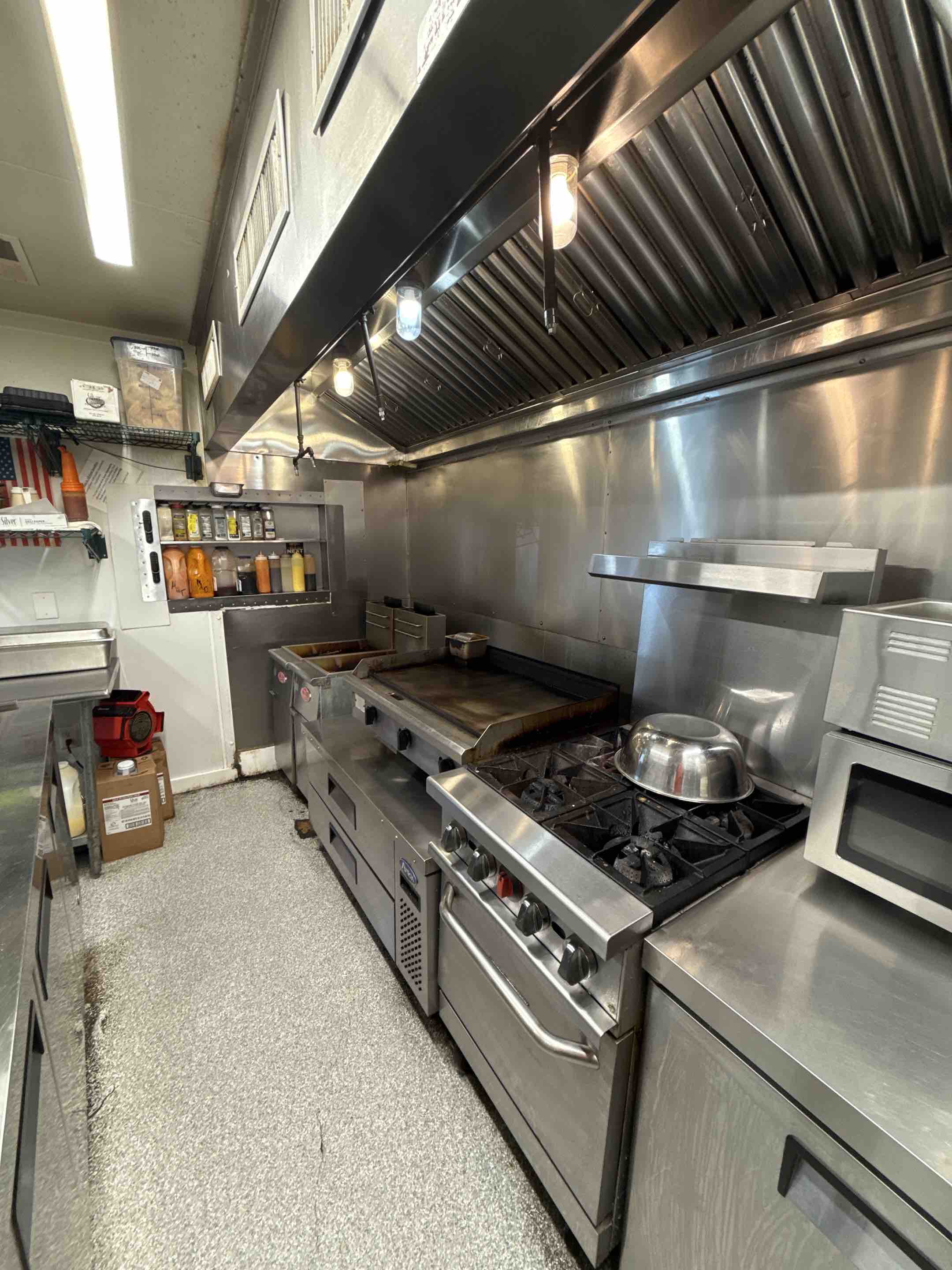
A thorough kitchen hood cleaning was performed, focusing on removing accumulated grease and grime from the exhaust hood and ductwork. The process began with a detailed inspection to identify areas with the most buildup. Specialized cleaning agents were applied to dissolve grease deposits, followed by meticulous scrubbing to ensure all contaminants were removed. The hood's filters were cleaned and reinstalled, and the ductwork was inspected for any remaining residue. The final step involved testing the hood to confirm proper airflow and functionality. This comprehensive cleaning ensures the kitchen operates safely and efficiently, reducing fire hazards.
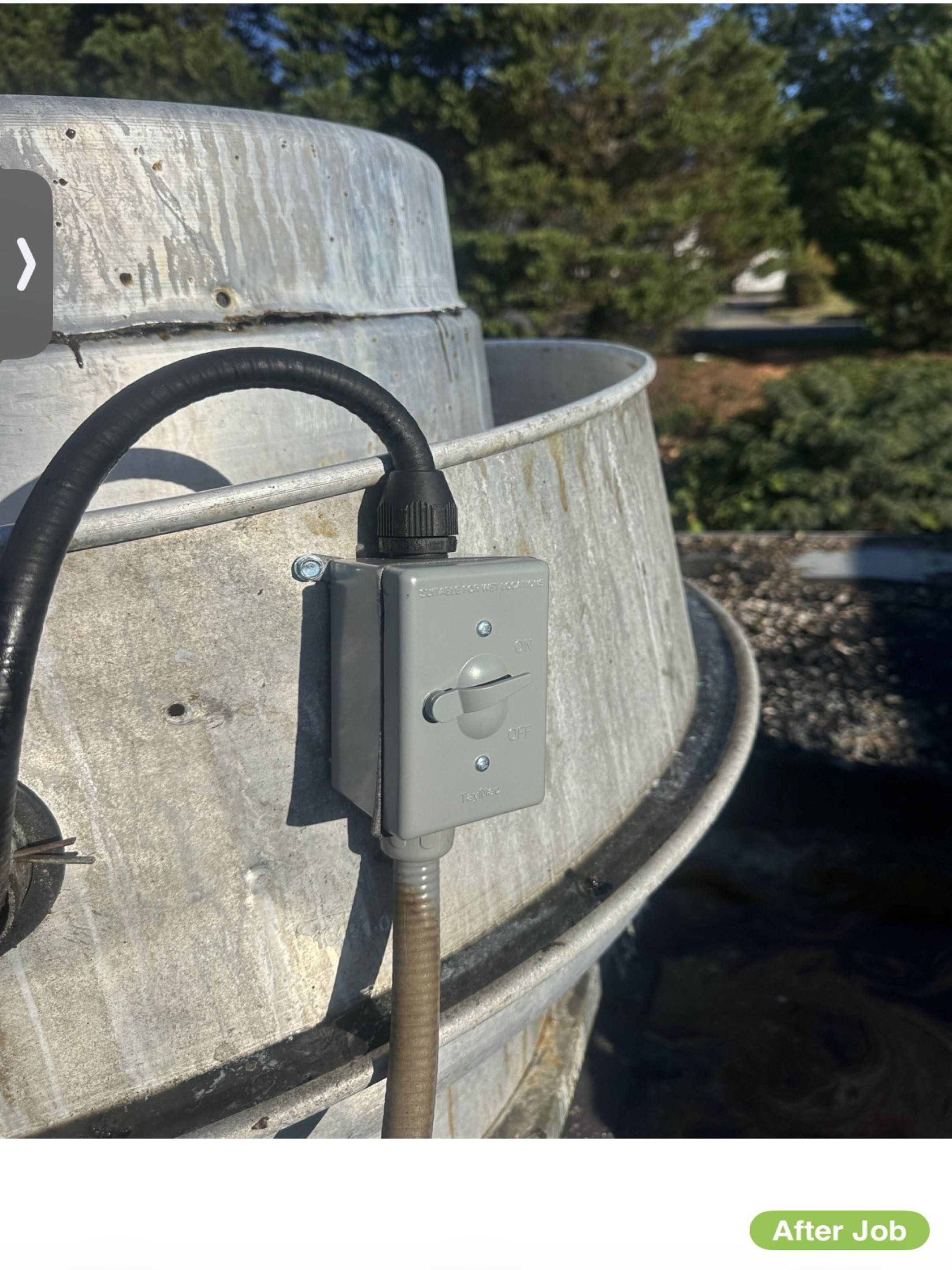
Replaced switch on a kitchen exhaust fan
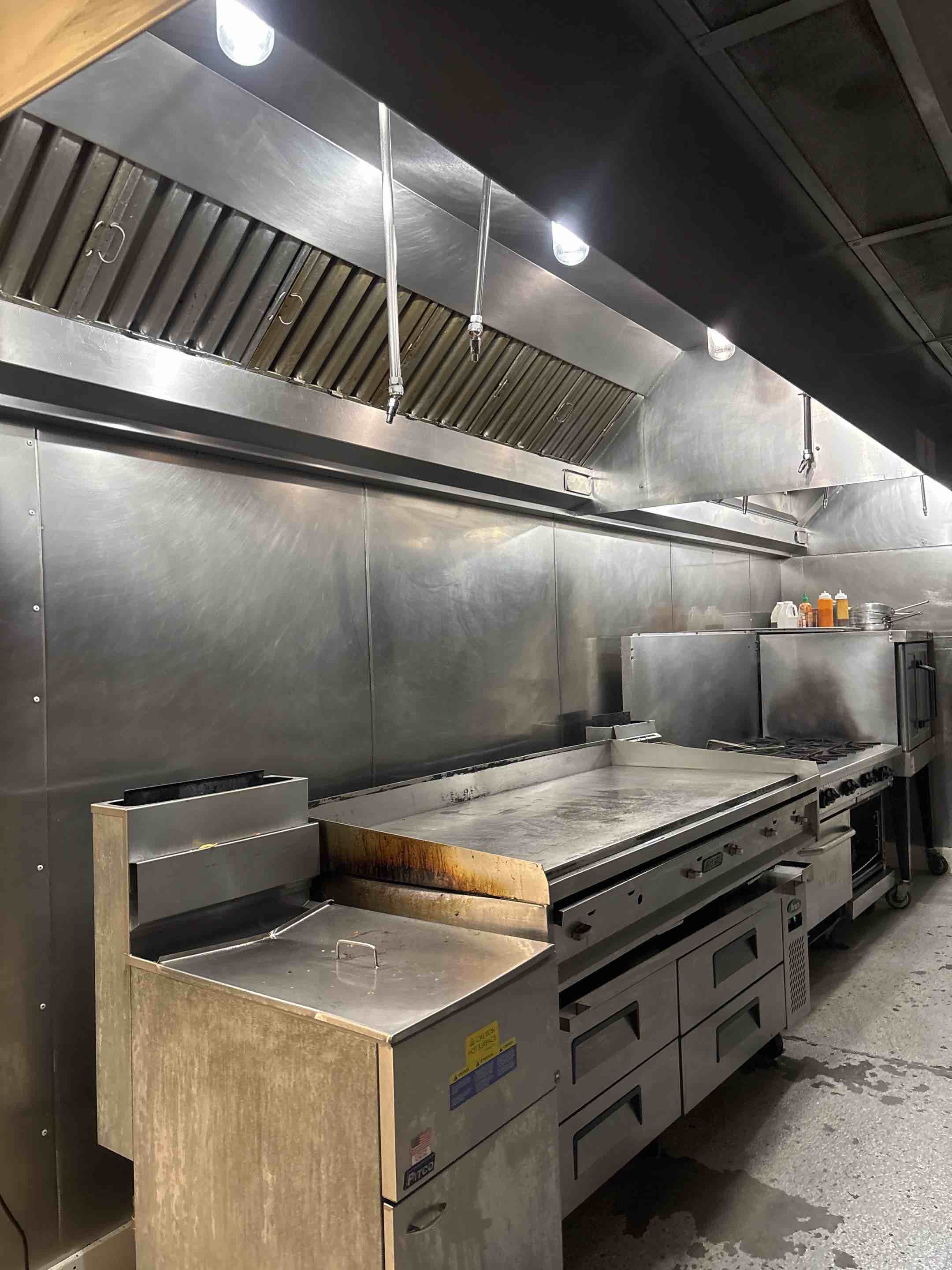
Exhaust hood
Elite Hood Service LLC has completed 25 jobs in Raleigh, Durham, Greensboro, Burlington, Carboro, Chapel Hill, Henderson, NC between August 2026 and October 2026.
The 15 customer reviews shown here average 4.9 out of 5.
The most recent job was on October 1, 2026.
Recent work in this area also covers Raleigh, Durham, Chapel Hill and Greensboro.
On time, did a great job, nice to be able to not have to worry about some things! 👍
Pablo as he has been in the past is very polite, professional, & does a thorough inspection & cleaning.
Quick and easy to work with. Pablo super chill an efficient. Will use again in future
He did a great job. I got a text when he was otw. Did not take to long at all. Very respectful.
Looks great!
Job well done.
In the commercial catering business scheduling changes at the drop of a hat. It is a terrible situation for scheduling hood cleaning, Elite makes it easy and for that we are grateful! Hoods at all our locations are serviced by Elite, and they do a fantastic job!
1000/10 they worked very hard and it was a big job.
Great job

I meticulously cleaned the kitchen hood, starting with a thorough inspection to identify areas with the most buildup. I used specialized cleaning solutions to dissolve grease and grime, ensuring no residue was left behind. Each component of the hood was disassembled and cleaned individually, paying special attention to the fan blades and filters. After cleaning, I reassembled the hood and tested it to confirm proper functionality. The hood now operates efficiently, and the kitchen looks and smells fresh. The entire process was completed with precision and care, ensuring a clean and safe environment.
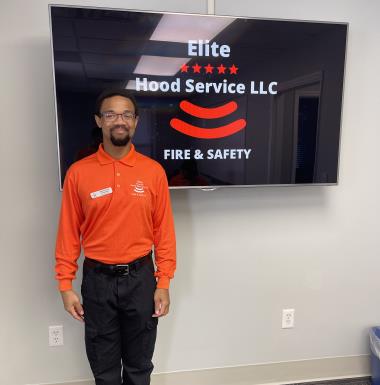
A thorough hood cleaning was performed at a vibrant Mexican restaurant. The task involved meticulous cleaning of the commercial kitchen's exhaust hood system. This included removing accumulated grease and debris from the hood filters, ducts, and fan blades. The process ensured optimal airflow and fire safety compliance. Additionally, the exterior and interior surfaces of the hood were cleaned to maintain hygiene standards. The work was completed with precision, ensuring the kitchen operates efficiently and safely.
I meticulously cleaned the kitchen hood system at the Indian bistro, ensuring every component was free from grease and grime. This involved disassembling the hood, cleaning the filters, and scrubbing the interior and exterior surfaces. I also inspected the ductwork for any blockages and ensured the fan was operating efficiently. The hood was reassembled, and I conducted a thorough test to confirm optimal performance. The result was a cleaner, safer kitchen environment, enhancing the overall dining experience for patrons.
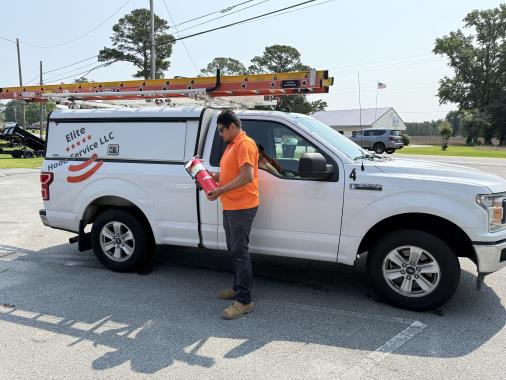
We completed a semiannual fire suppression test and inspection for a restaurant. This included testing the tank, pull station, verifying the nozzle, gas valve, and all kitchen fire suppression components.
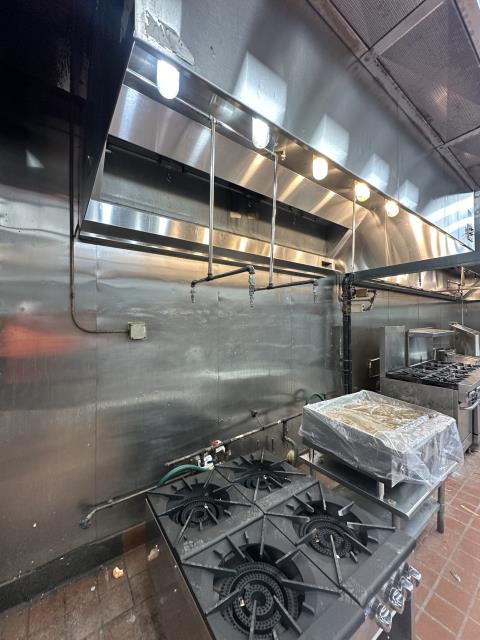
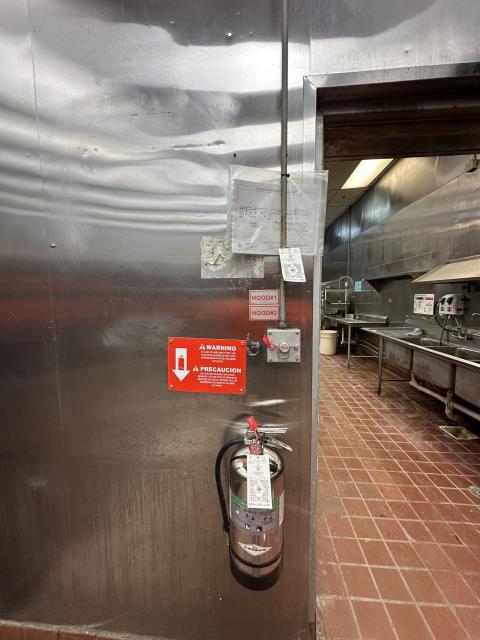
A thorough inspection and installation of fire extinguishers were conducted. Each extinguisher was meticulously examined for operational integrity, including pressure levels, tamper seals, and visible damage. Extinguishers were tested to ensure they were fully charged and functional. Any defective units were tagged for replacement. New extinguishers were installed in designated areas, ensuring they were easily accessible and clearly marked. Safety instructions were provided to staff, emphasizing proper usage and location. The work adhered to all relevant safety standards and regulations, ensuring the highest level of fire protection.
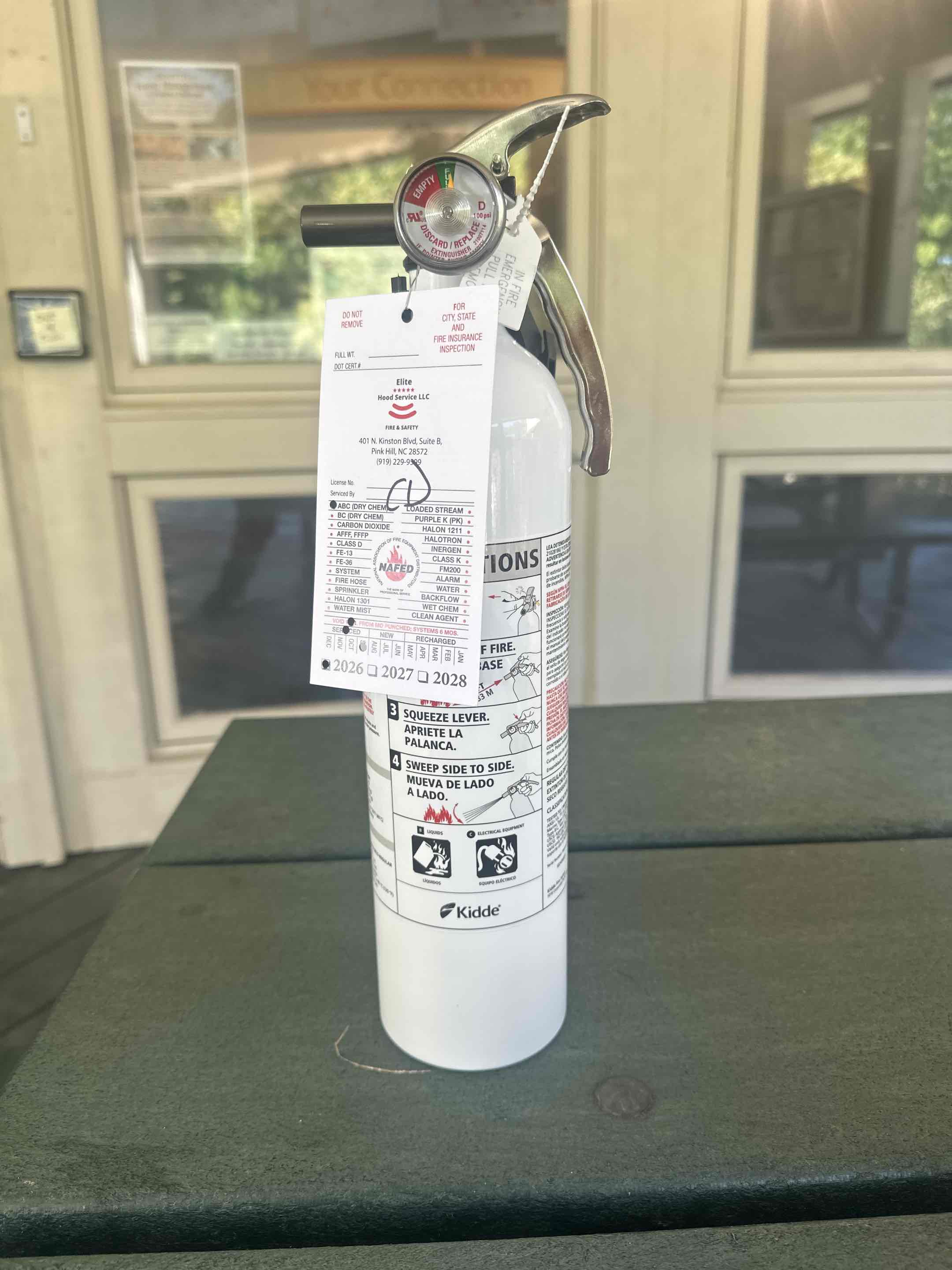
A thorough kitchen hood cleaning was executed with precision and care. The process began with a detailed inspection to assess the level of grease and grime accumulation. Specialized cleaning agents were applied to dissolve and break down stubborn grease deposits. Each component of the hood, including the filters, fan, and exterior surfaces, was meticulously cleaned. The filters were removed and cleaned separately to ensure optimal air flow and efficiency. The fan blades were carefully cleaned to remove any accumulated debris. The exterior surfaces were wiped down to eliminate any remaining grease and fingerprints. Post-cleaning, a thorough inspection was conducted to ensure all areas were spotless and the hood was functioning correctly. The entire process was completed with attention to detail, ensuring a clean and efficient kitchen hood.
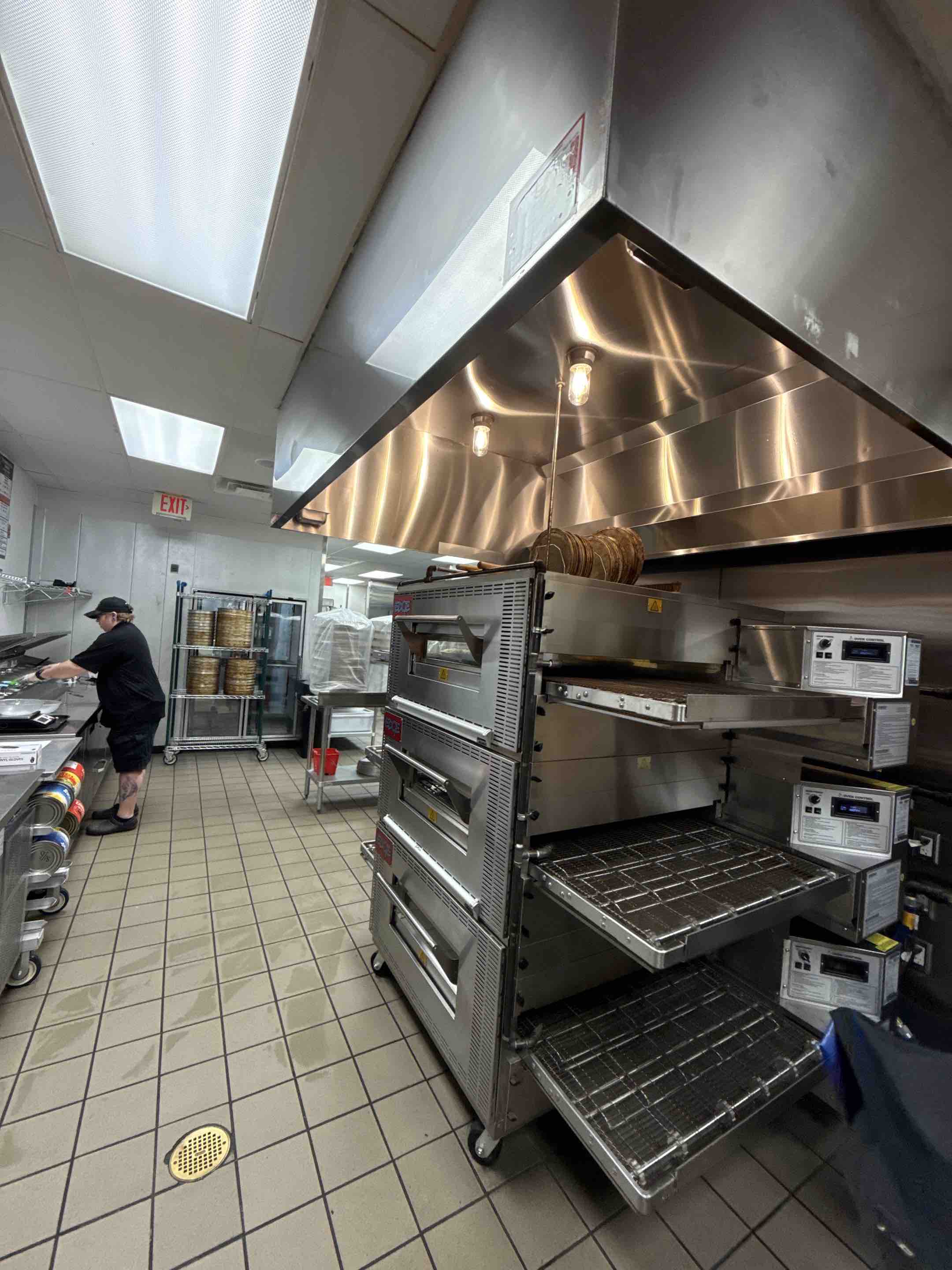
A thorough cleaning of the kitchen hood was performed, starting with a detailed inspection to identify areas with heavy grease buildup. The process involved dismantling the hood's components, including the grease filters and fan assembly, to ensure all parts were accessible for cleaning. Each part was carefully washed with a specialized degreaser to remove accumulated grease and grime. The filters were rinsed and sanitized, while the fan and motor were cleaned to restore optimal performance. Post-cleaning, all parts were reassembled, and the hood was tested to confirm proper operation. The entire process was completed with attention to detail, ensuring the kitchen hood operates efficiently and safely.
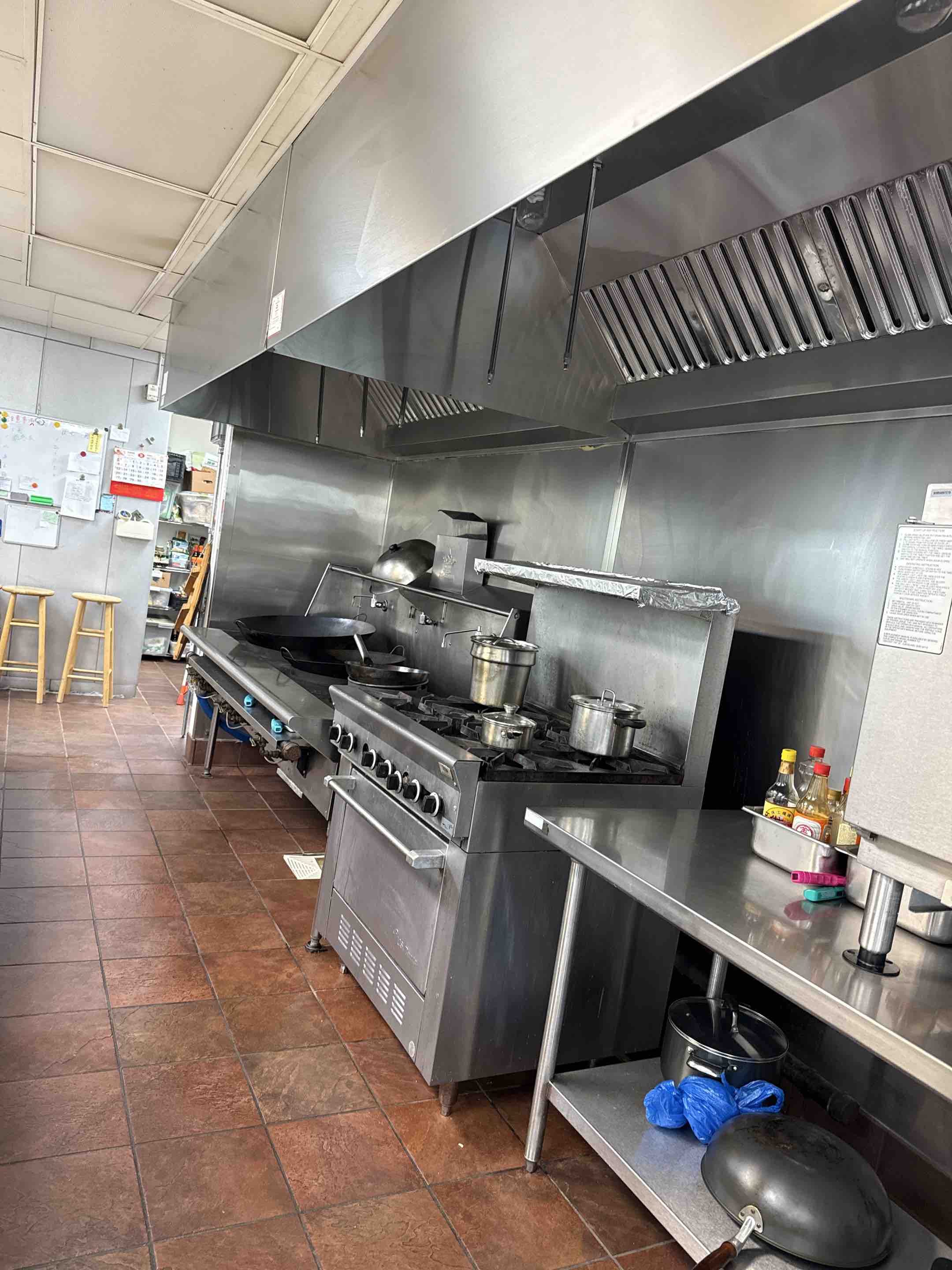
o
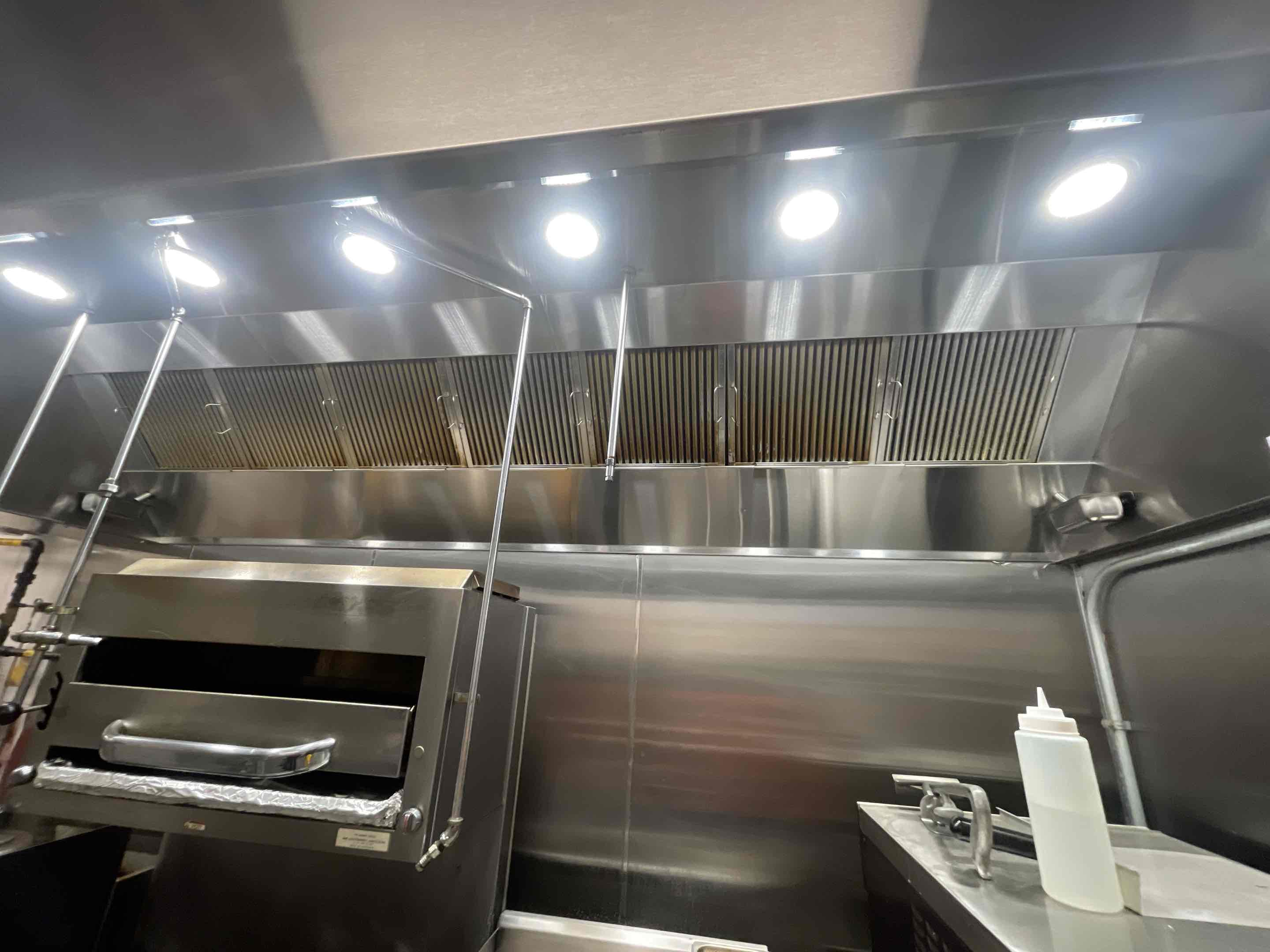

Cleaned kitchen hood and exhaust fans
A thorough cleaning of the kitchen hood was performed, focusing on removing accumulated grease and debris. The process began with a detailed inspection to identify areas with the most buildup. Specialized cleaning agents were applied to dissolve the grease, followed by careful scrubbing to ensure all contaminants were removed. The hood's filters were also cleaned and inspected for damage. After the cleaning, the hood was tested to confirm proper functionality. The entire process was completed with attention to detail to ensure the kitchen hood operates efficiently and safely.
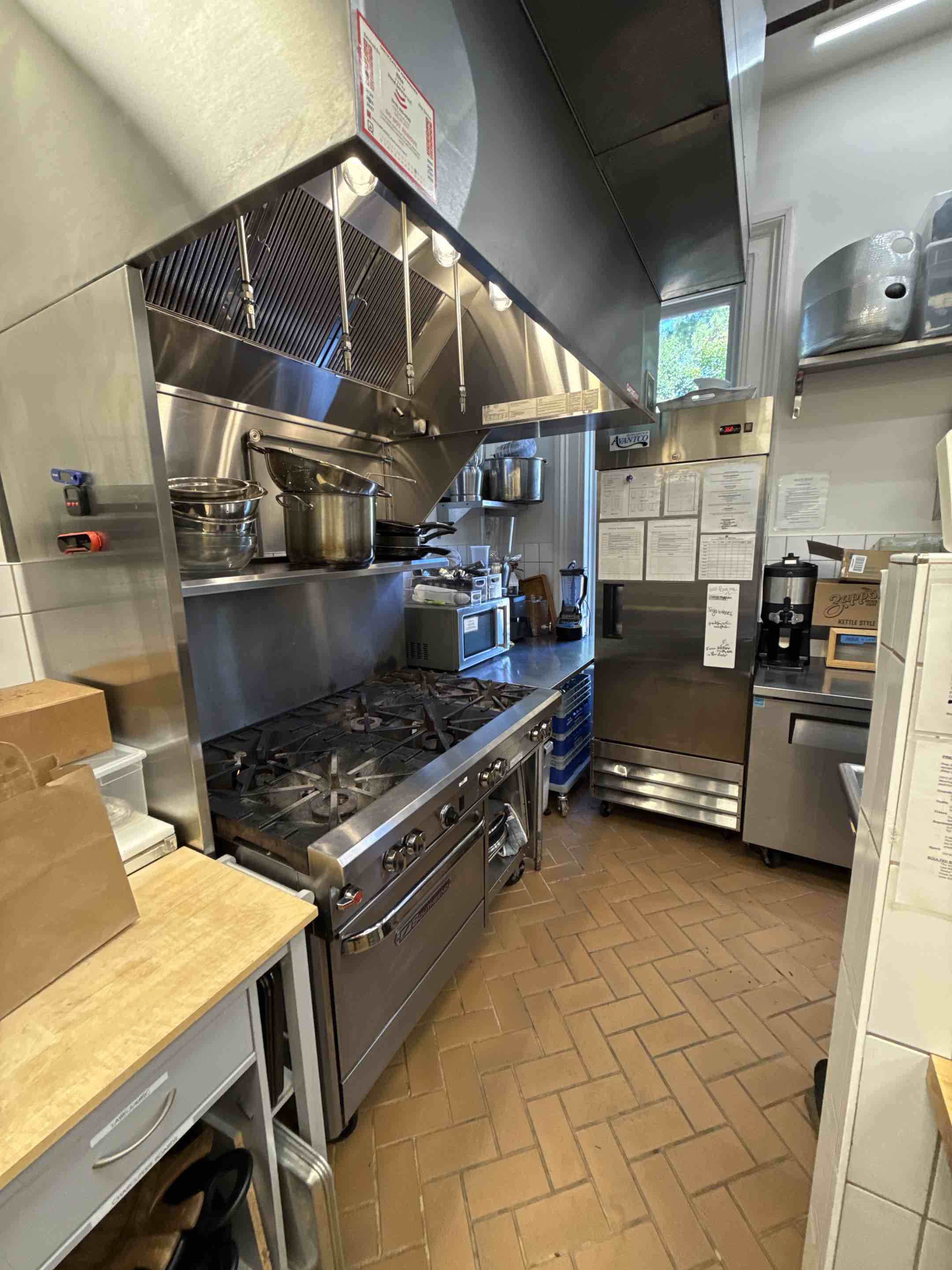
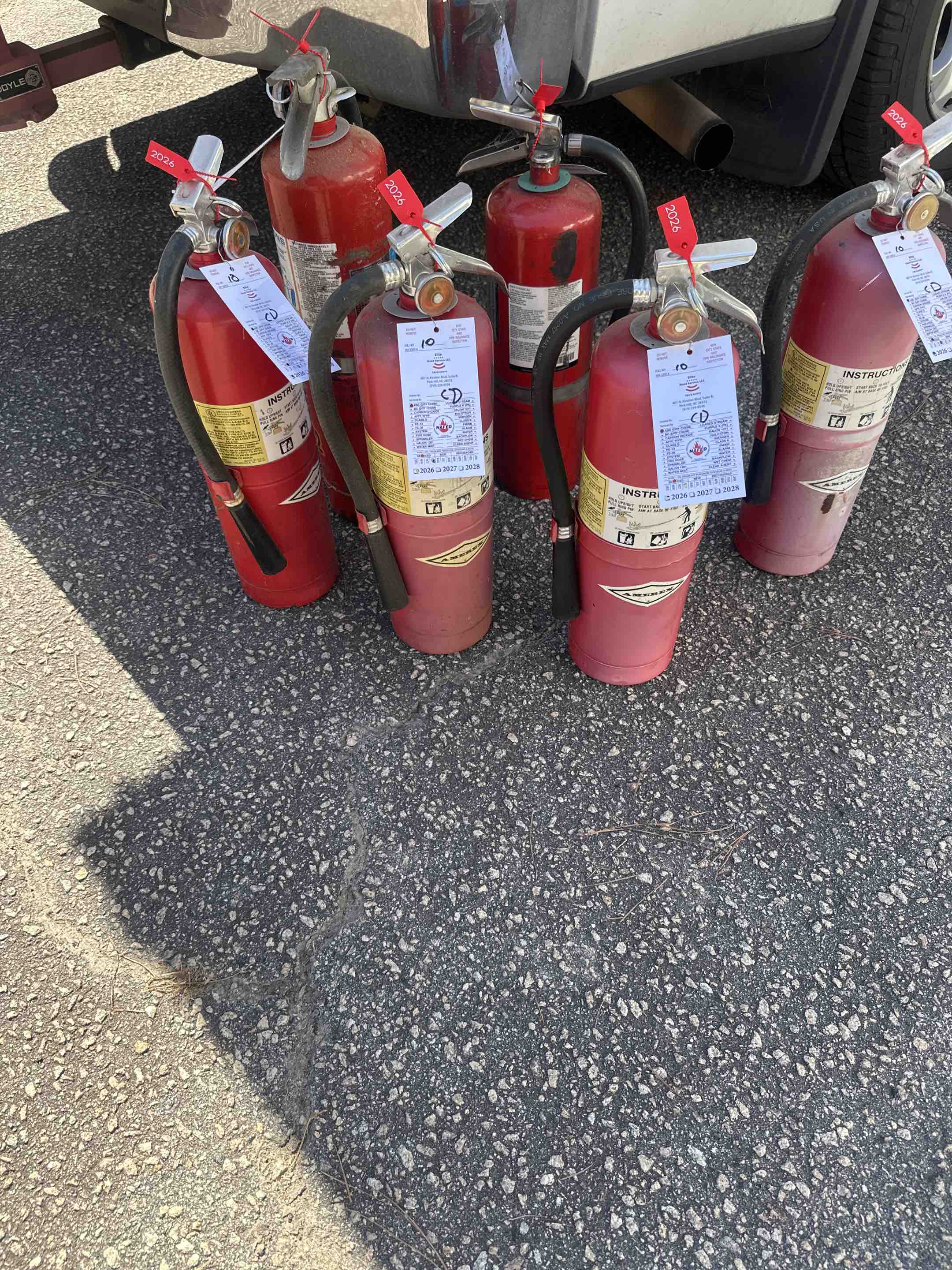
Completed a thorough inspection of 21 ABC fire extinguishers, ensuring they were fully operational and compliant with safety standards. Each extinguisher was checked for proper pressure levels, operational functionality, and absence of physical damage. The inspection included verifying the presence and condition of safety seals, examining the nozzle for blockages, and ensuring the extinguishers were correctly mounted and easily accessible. Additionally, the inspection involved a visual assessment of the extinguisher's body and gauge, confirming they were free from corrosion and other wear. All findings were documented, and necessary maintenance or repairs were scheduled to ensure continued readiness.
A thorough hood cleaning service was performed for a restaurant, ensuring optimal kitchen ventil
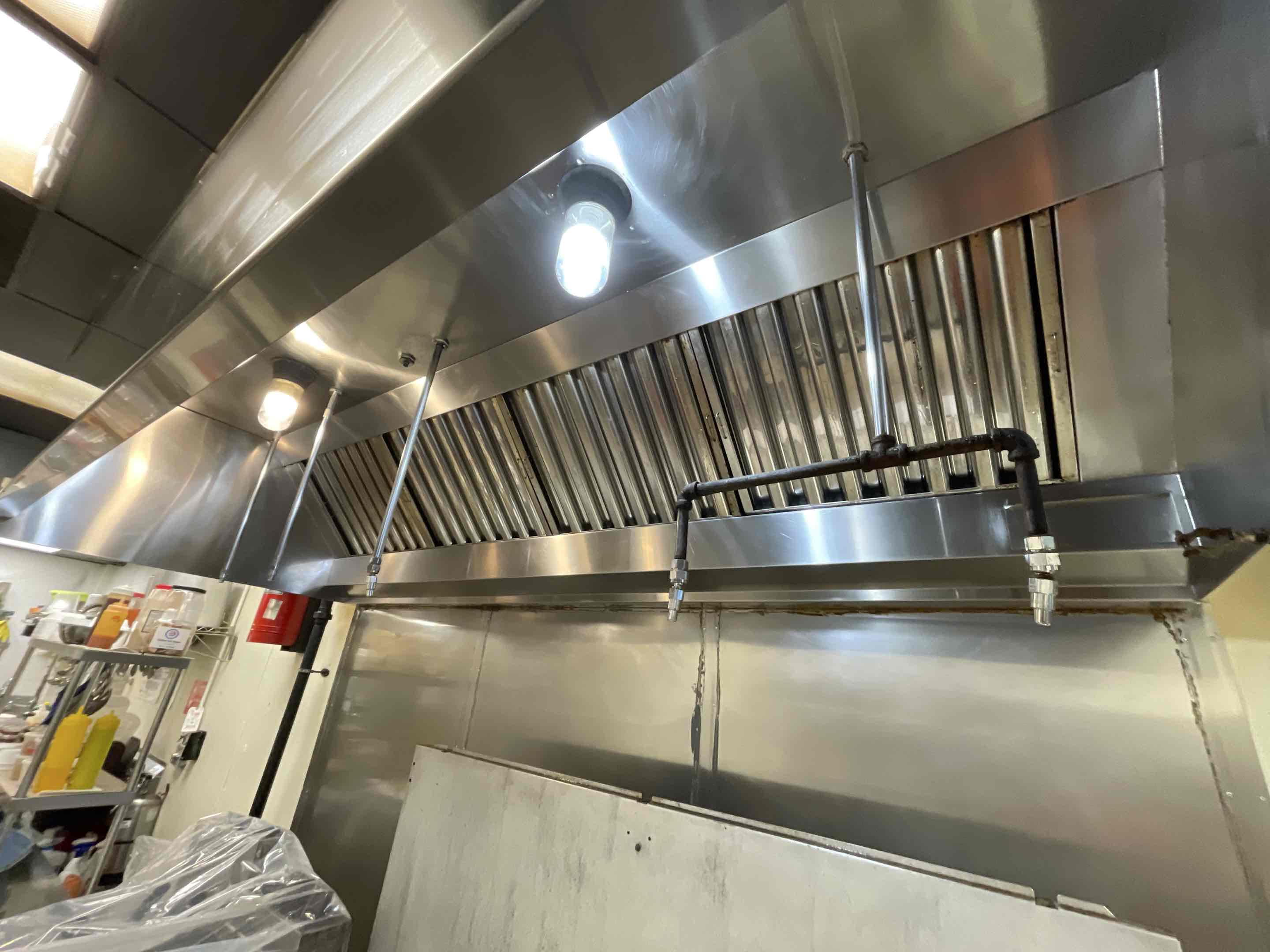
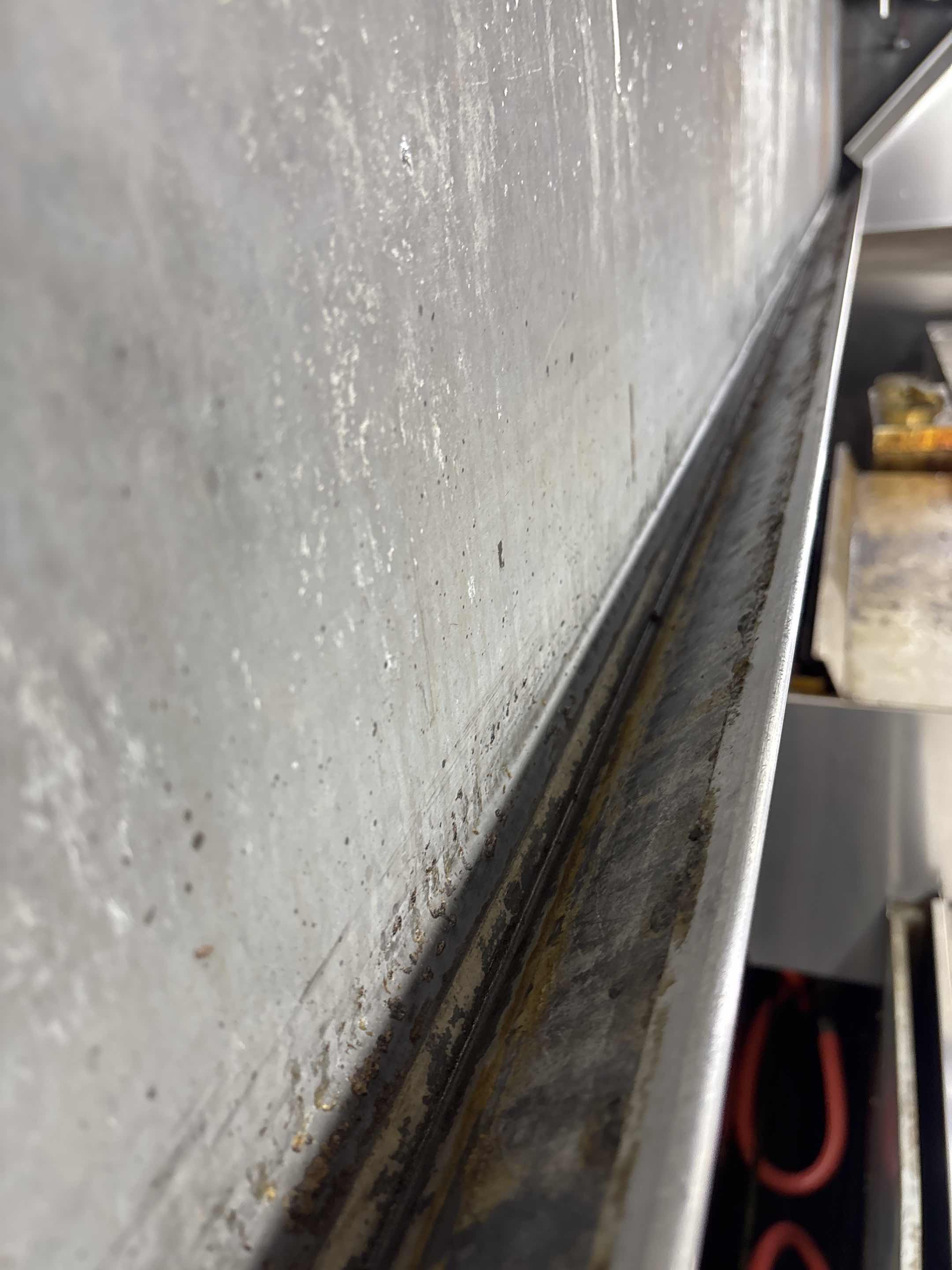
A grease trap of a hood exhaust after picture
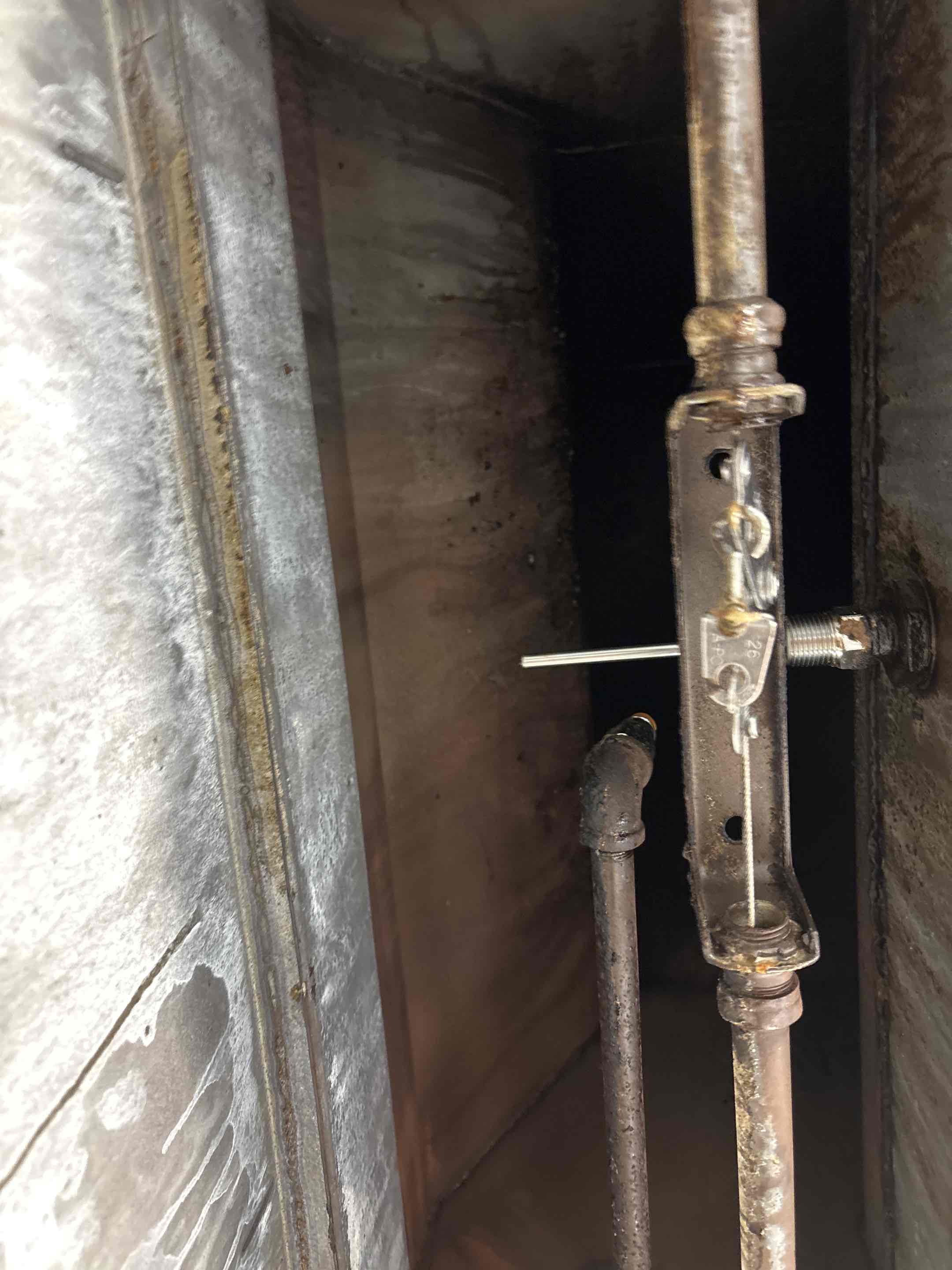
Up the ductwork of a exhaust hood
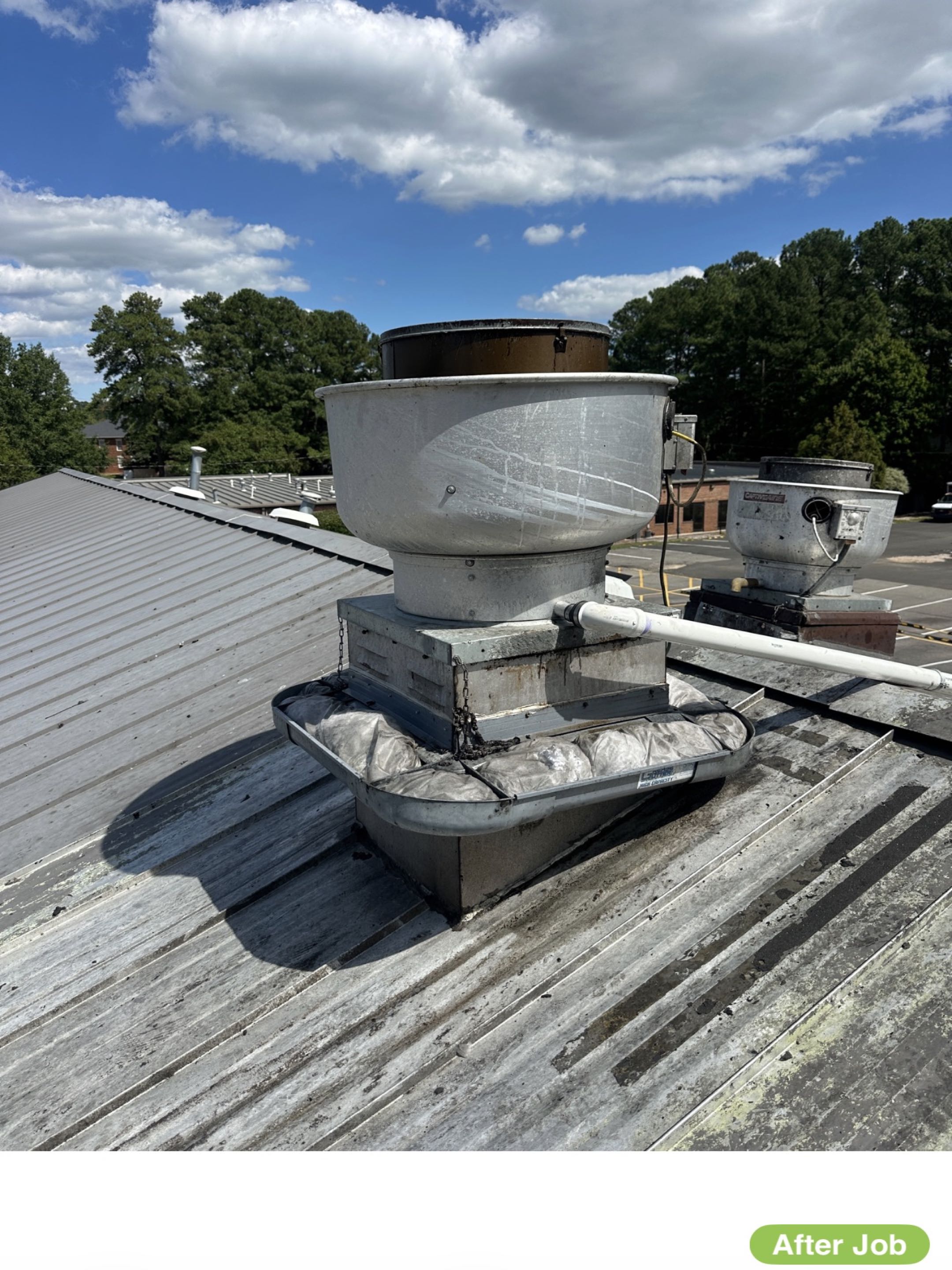
Diagnosed and changed direct drive motor on a kitchen exhaust fan
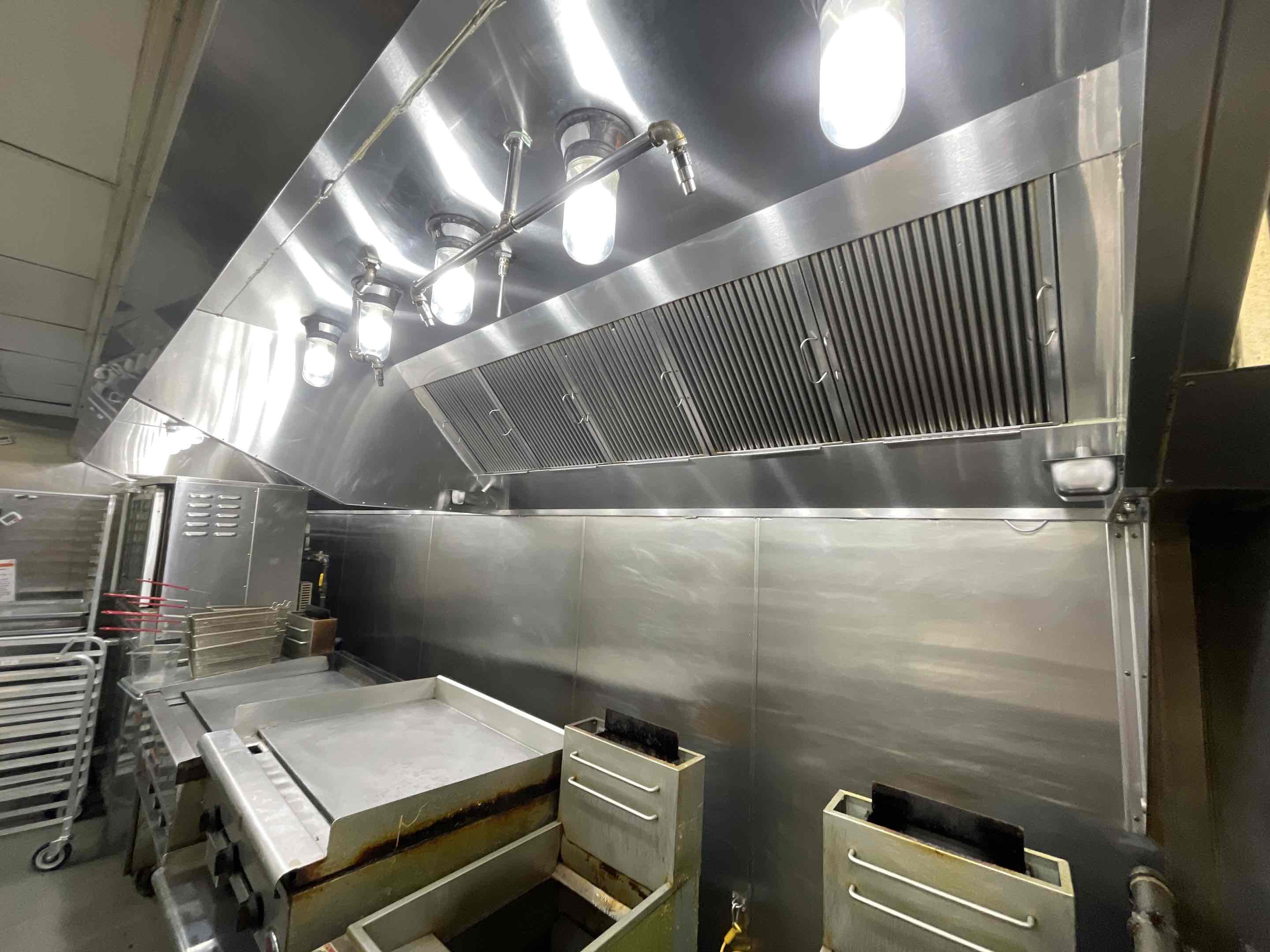
A comprehensive cleaning service was provided to the sandwich bar, ensuring every nook and cranny was spotless. The counters, tables, and floors were meticulously wiped down, removing any grease or crumbs. High-touch areas such as door handles, light switches, and appliances were disinfected to maintain hygiene standards. Trash was collected and disposed of properly, and all surfaces were sanitized. The bar area was left clean and organized, ready for customers. Attention to detail ensured that no area was overlooked, resulting in a pristine and welcoming environment.
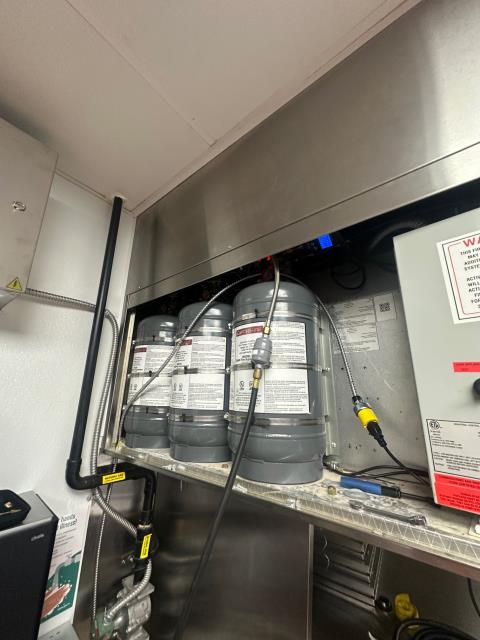
Conducted a comprehensive fire suppression inspection on a Captiveaire system. The inspection involved a thorough examination of all components, including the sprinkler heads, piping, and control valves. Each element was tested for functionality and integrity, ensuring the system was fully operational. The inspection also included verifying the system's compliance with relevant safety standards and regulations. After completing the inspection, the system was found to be in excellent condition, meeting all necessary criteria. The system was successfully tagged as operational, confirming its readiness to provide effective fire suppression in case of an emergency.
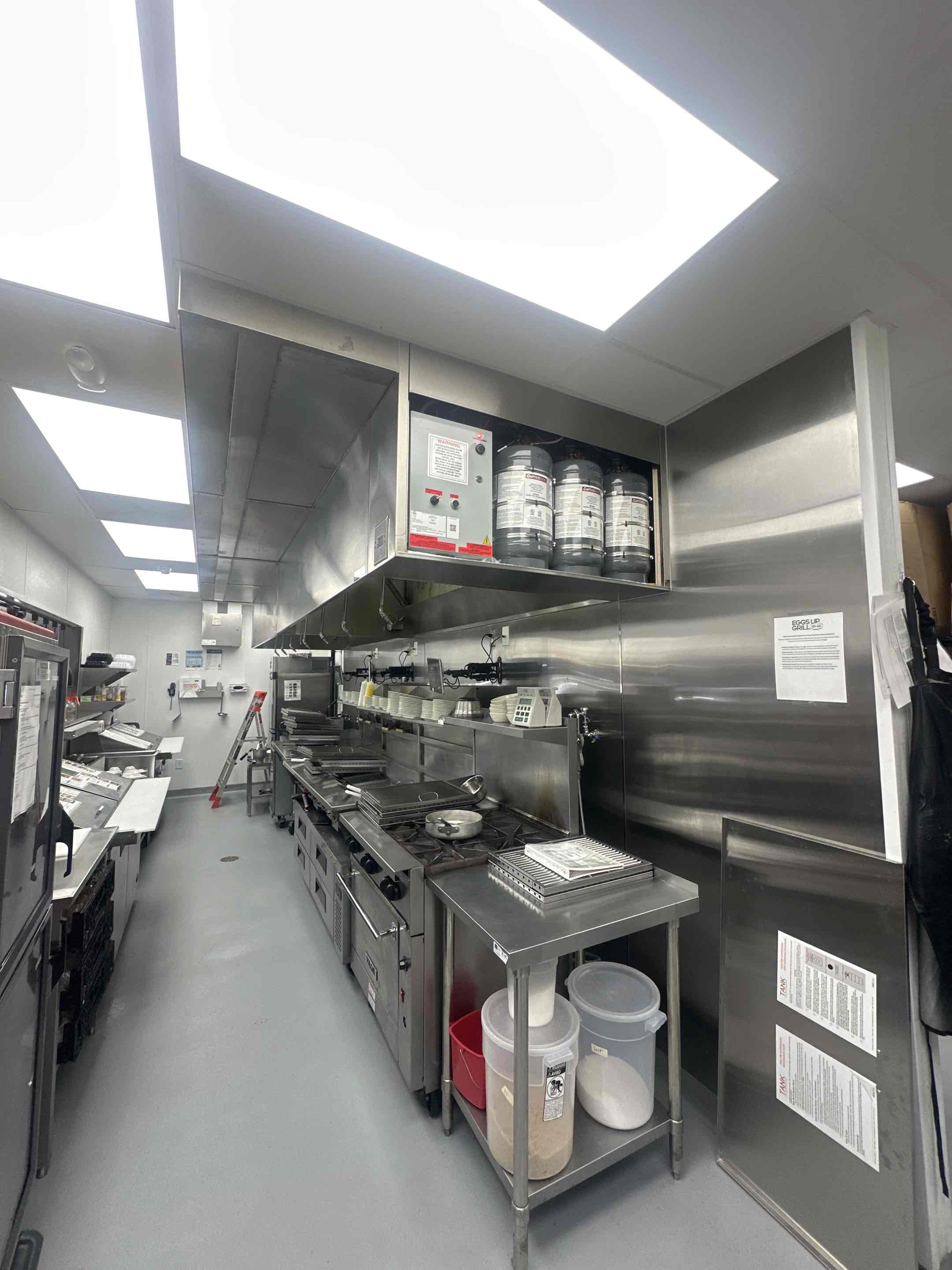
Conducted a thorough inspection of four ABC fire extinguishers, ensuring they were fully charged, operational, and compliant with safety standards. Each extinguisher was tested for pressure levels, checked for visible damage, and verified for proper labeling and accessibility. Additionally, I reviewed the maintenance records to confirm that all required servicing and inspections were up to date. The inspection process included a visual examination of the extinguishers, ensuring they were securely mounted and unobstructed. All findings were documented, and recommendations for any necessary actions were provided to ensure continued safety and compliance.
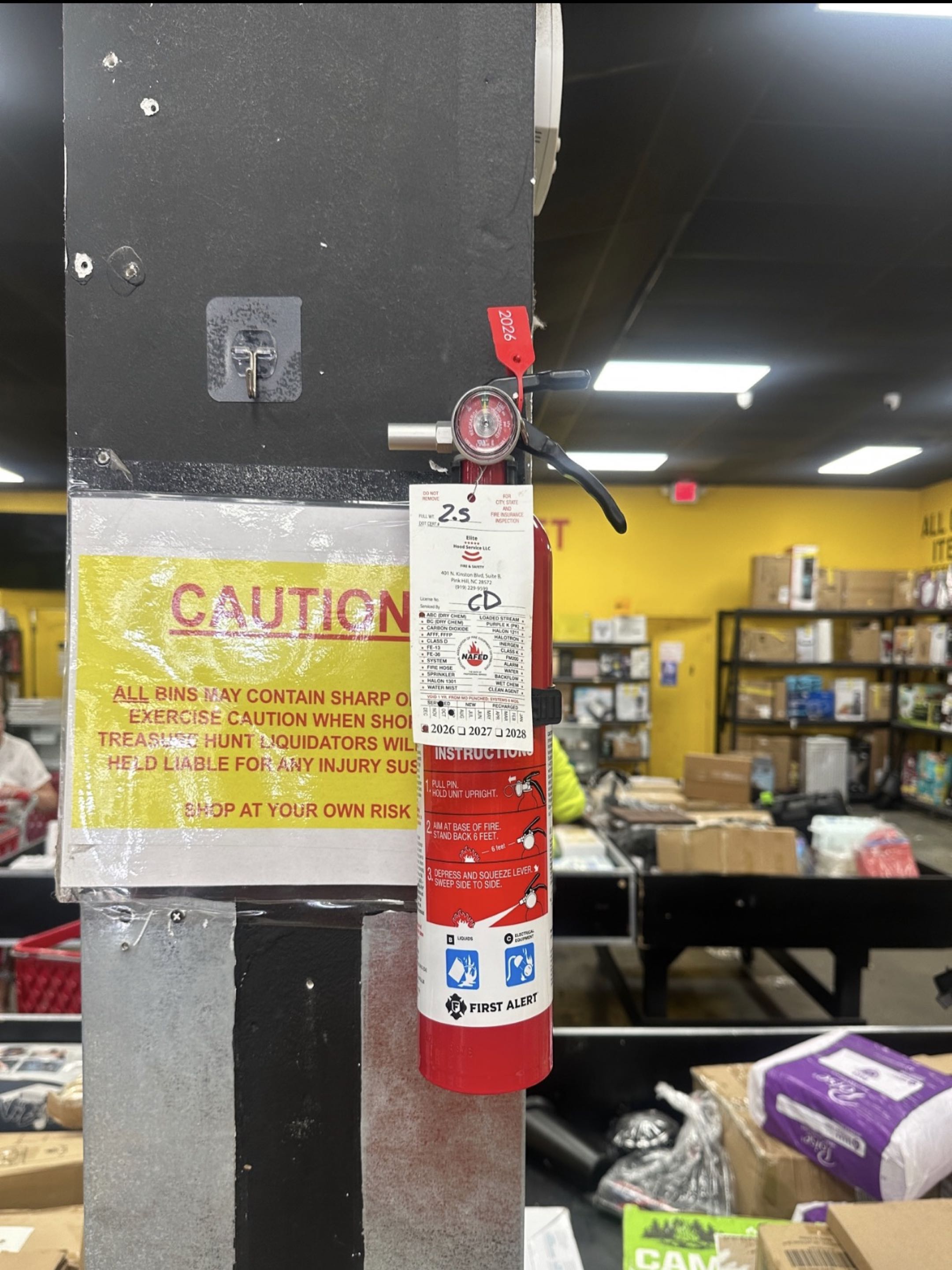
A thorough kitchen hood cleaning was executed, starting with a comprehensive inspection to identify areas with significant grease buildup. Specialized cleaning agents were applied to dissolve accumulated grease and grime. The hood's internal components, including baffles and filters, were meticulously cleaned and sanitized. Grease traps and ducts were inspected for blockages and cleaned as necessary. Post-cleaning, the hood was tested to ensure proper ventilation and functionality. The entire process adhered to industry standards to maintain optimal performance and safety.
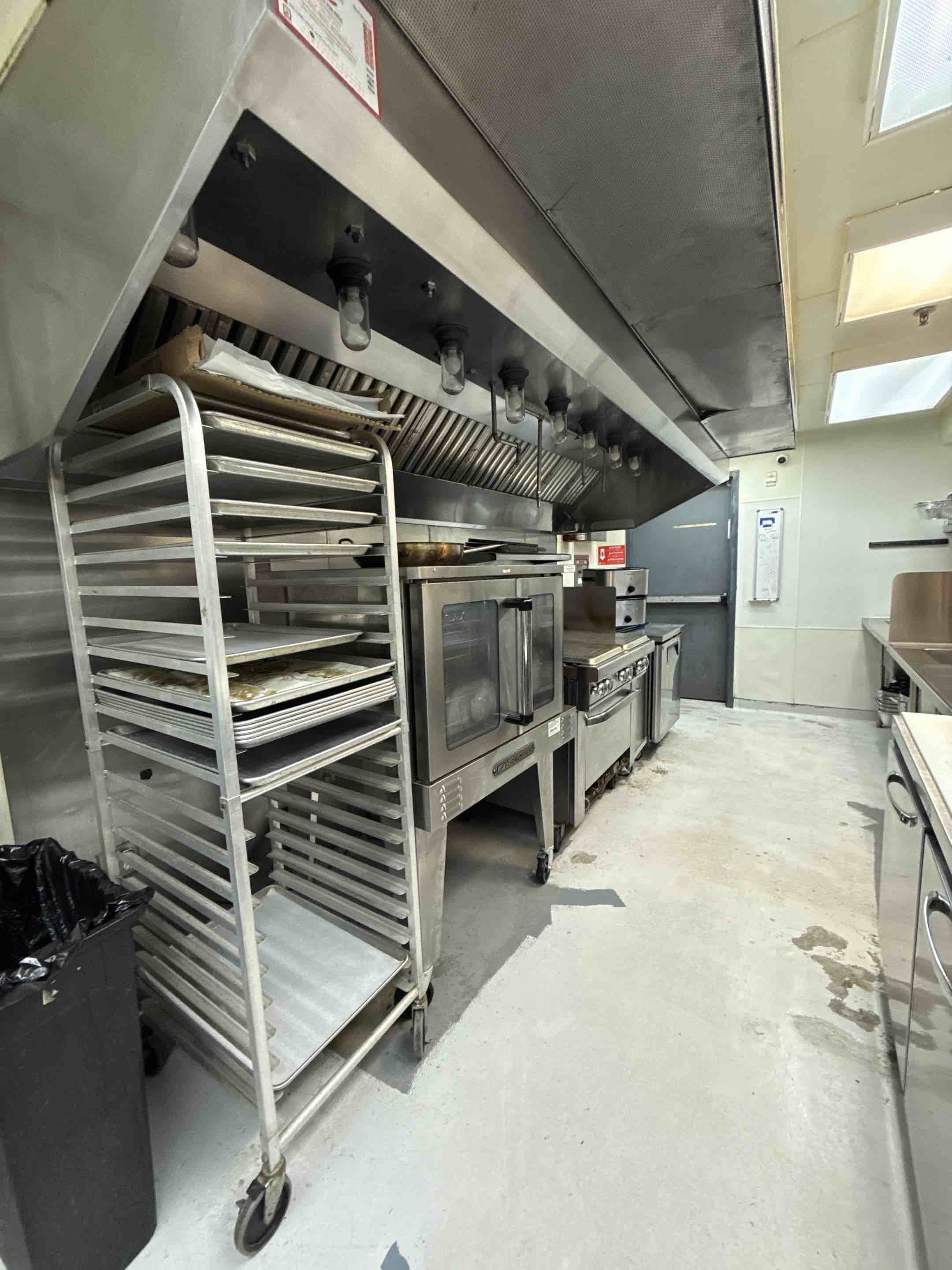
We recently completed a hood cleaning service focused on the ventilation system and exhaust hoods. After a thorough inspection, we removed grease and grime using specialized tools. We disassembled parts when necessary to ensure complete sanitation. Following a final inspection, we reassembled the hoods for optimal efficiency. Our goal is to enhance your facility's cleanliness and operational standards.
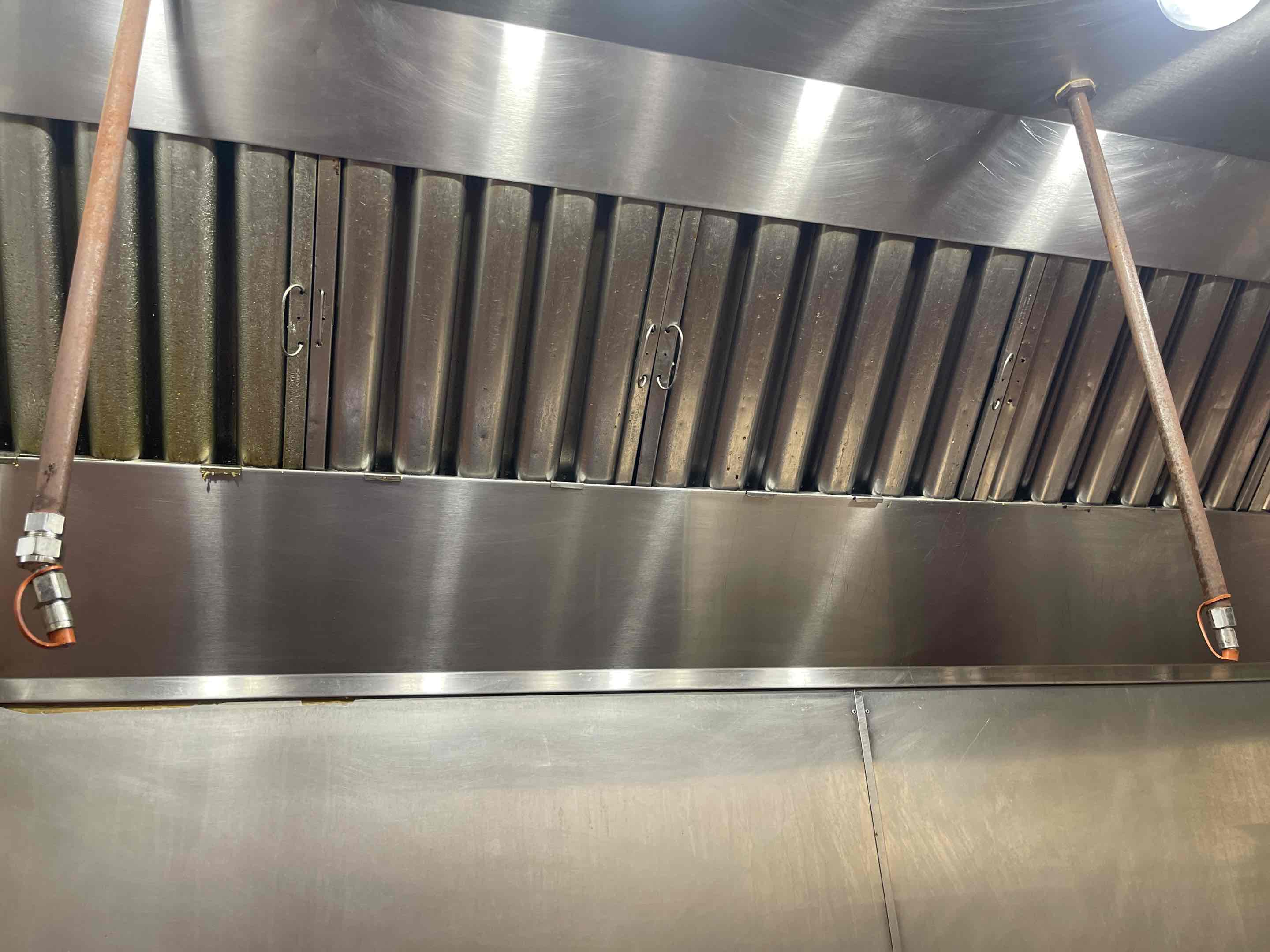
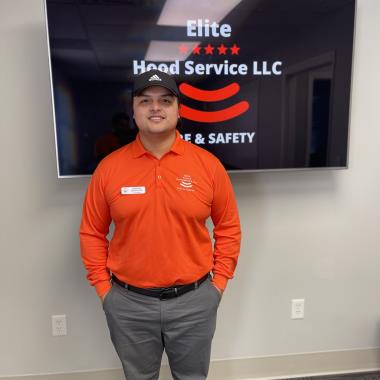
I developed a comprehensive 1-Year Service Plan for Hood Cleaning, ensuring adherence to fire safety codes. This plan includes regular, scheduled cleanings to maintain optimal performance and safety. Each cleaning session involves thorough inspection, degreasing, and sanitization of the hood components. The frequency of visits is tailored to the specific needs of the kitchen environment, guaranteeing compliance with safety regulations.
Completed a semiannual commercial kitchen fire suppression inspection in Raleigh, NC. Tested the control head, detection line, pull station, nozzles, piping, and fuel shutoff. Documented service findings for local compliance reporting under applicable fire safety codes.
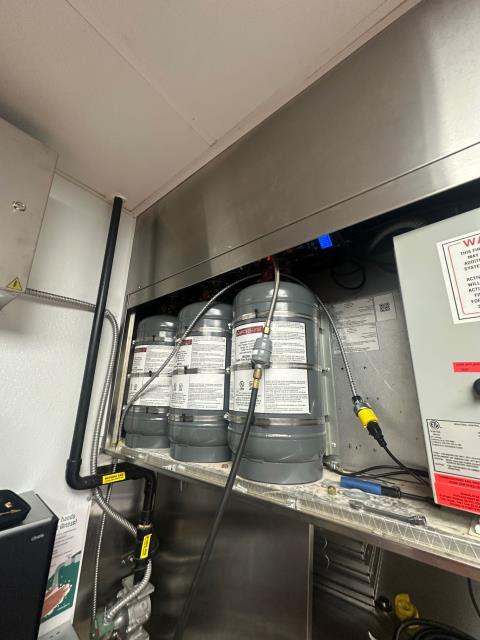
Performing a professional commercial kitchen hood cleaning to remove accumulated grease and buildup from the exhaust hood, filters, accessible ductwork, and rooftop exhaust fan, helping maintain a cleaner and safer kitchen exhaust system.
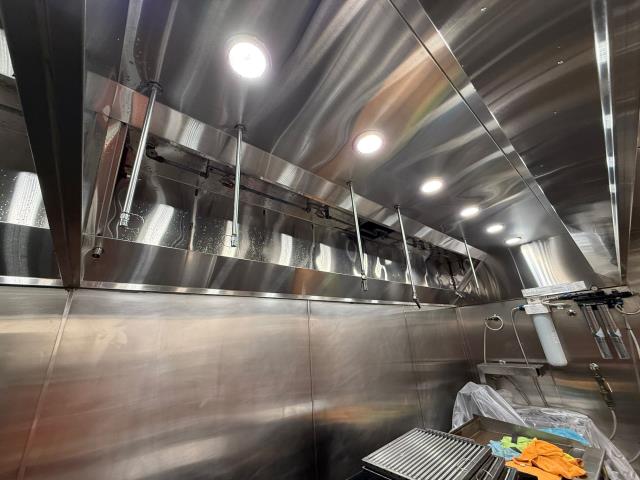
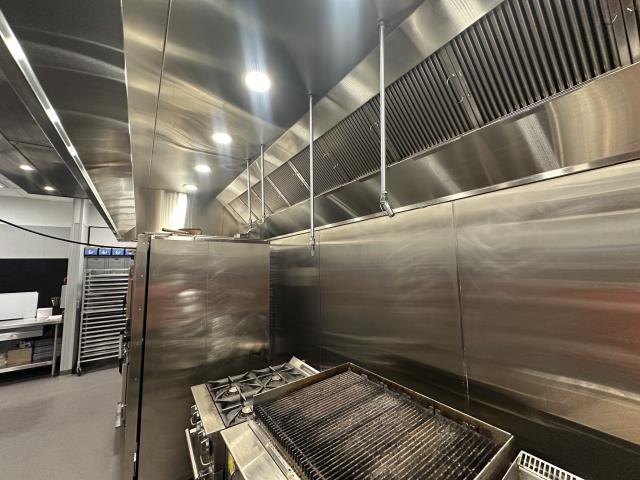
Completed a semiannual inspection and functional test of the CaptiveAire kitchen fire suppression system. Checked the system’s main components, nozzle coverage, detection line, manual pull station, and overall condition to help ensure reliable operation and fire code compliance.
A comprehensive hood cleaning was executed with precision, targeting every nook and cranny of the kitchen area. The process commenced with a detailed inspection to pinpoint areas needing attention. Grease and grime were meticulously removed from the hood's surface, filters, and ductwork. Spe